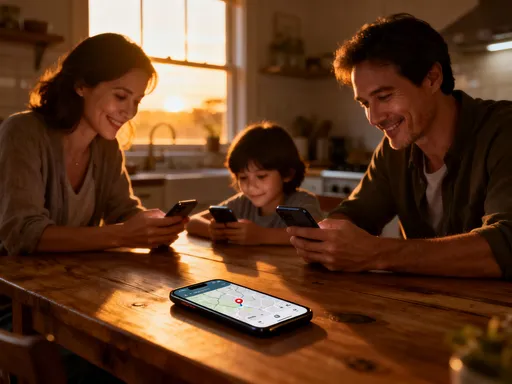
What If You Could Never Miss a Family Moment Again?
How many birthdays, anniversaries, or small family joys have slipped through the cracks because life got too busy? We all want to stay close to loved ones, but between work, chores, and endless to-do lists, meaningful moments often fall by the wayside. What if technology could quietly help you remember what truly matters—without adding more stress? This isn’t about another calendar alert. It’s about reimagining how we cherish family, one thoughtful reminder at a time. Imagine waking up not just to a notification, but to a voice message from your child saying, ‘Last year, you surprised me with cupcakes!’—a gentle nudge that turns memory into connection. That’s the kind of technology we need: not cold, not robotic, but warm, human, and deeply personal.
The Hidden Cost of Forgetting Small Moments
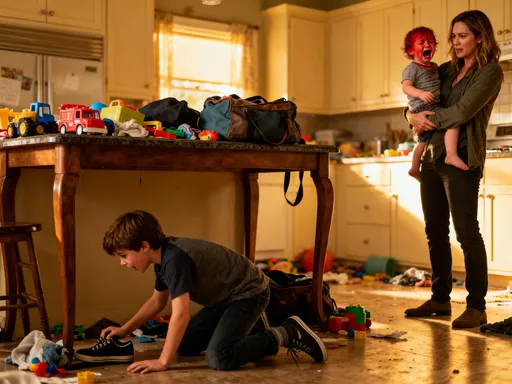
Let’s start with something we’ve all lived through. You’re folding laundry late at night when it hits you—your daughter’s school performance was today. You meant to be there. You even wrote it down. But a last-minute work call, a grocery run, and suddenly, it’s over. You weren’t there. When you finally see the video her teacher sent, your heart sinks. She looked so proud. And you missed it. It’s not just about the event—it’s about what that absence says, even unintentionally: I wasn’t there for you. We tell ourselves it’s just one moment, but over time, these missed connections pile up. A forgotten anniversary. A cousin’s wedding you skipped. A parent’s birthday you only remembered because your sibling texted first.
These aren’t just scheduling oversights. They’re emotional leaks in the foundation of our relationships. And the truth is, it’s not because we don’t care. It’s because we care too much—we’re juggling so many roles, so many responsibilities, that our brains become overwhelmed. Psychologists call this ‘cognitive load’—when your mental bandwidth is maxed out, even important things can slip through. We’re not bad parents, partners, or children. We’re just human, living in a world that demands constant attention in every direction. The irony? The people we love most are often the ones we take for granted, simply because they’re always there. But what if we could offload just a little of that mental burden—so we could be more present, more intentional, more there?
Why Traditional Calendars Fail Busy Families
We’ve all tried the digital calendar fix. You add every event, set multiple reminders, color-code by family member—red for kids, blue for spouse, green for you. And yet, somehow, you still miss things. Why? Because most calendars are built for meetings, not memories. They were designed by productivity experts, not parents. They tell you when something is, but not why it matters. A reminder that says ‘Mom’s Birthday’ doesn’t make you feel anything. But a reminder that says ‘Mom’s Birthday—remember how she stayed up with you when you had the flu at 12?’—that’s different. That’s connection.
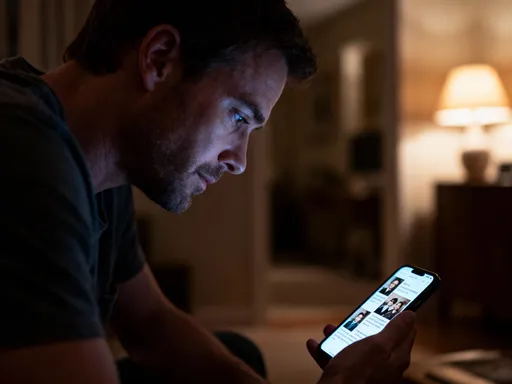
Think about it: how many times have you silenced a calendar alert without even looking? They’re impersonal. They’re interruptive. They don’t know your story. And worse, they don’t help you respond. You get the ping, you feel guilty, you promise to call later—and then life happens, and later never comes. The problem isn’t that we lack tools. It’s that our tools lack heart. They’re built to manage time, not nurture relationships. And when the only reminder you get is a sterile beep, it’s easy to treat a family moment like just another task to check off. But love isn’t a to-do list. It’s a feeling, a habit, a series of small choices that add up over time. What we need aren’t more alerts—we need more meaning.
Introducing Smart Reminders That Feel Human
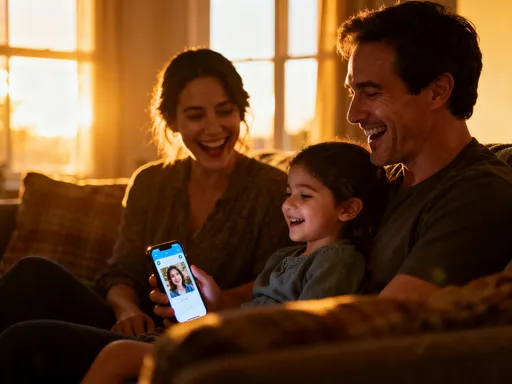
Now imagine a different kind of reminder—one that doesn’t just tell you it’s your nephew’s first soccer game, but shows you a photo from last season, when he scored his first goal and ran straight to you in the stands. Or one that plays a 10-second voice note from your spouse saying, ‘Last year, we danced in the kitchen to this song. Let’s do it again tonight.’ That’s the shift we’re talking about: from transactional to emotional, from robotic to relational. This isn’t science fiction. There are real, accessible tools today that help you build this kind of warmth into your digital life.
Platforms like shared family apps or personalized reminder systems let you attach memories to dates. You can upload a video clip, write a short note, or record a voice message that plays automatically when the reminder goes off. Some even learn your habits—like knowing you check your phone every morning with coffee—and deliver the nudge at just the right time. The best part? These aren’t complicated. You don’t need to be tech-savvy. You just need to care. And once you start, something shifts. You’re not just remembering a date—you’re reliving a moment. You’re not just avoiding guilt—you’re creating joy. One mom told me she set up a reminder for her son’s ‘first day of school’ each year, with a photo collage from previous years. ‘It makes me cry every time,’ she said. ‘But in the best way. It reminds me how fast he’s growing, and how lucky I am to be his mom.’ That’s the power of human-centered tech.
Designing Reminders Around Fragmented Time
Let’s be real—most of us don’t have hours to plan family moments. Our days are made of stolen seconds: a minute while the coffee brews, three minutes waiting in the carpool line, a quiet moment before bed. That’s why the most effective reminder systems are designed for micro-moments. They don’t ask for grand gestures. They ask for small, doable actions that fit into the cracks of your day. Think of it like emotional flossing—tiny habits that keep your relationships healthy over time.
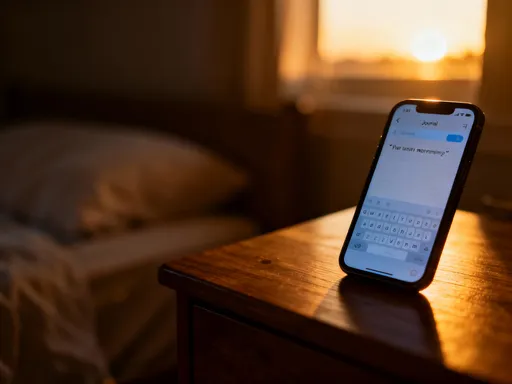
Some tools offer a ‘morning digest’—a single notification that bundles all the day’s family moments: ‘Today is Aunt Lisa’s birthday. Tap to send her the card you saved. Also, don’t forget—your daughter has piano practice at 4. She’s been working hard on that new piece.’ Others use voice assistants: ‘Hey, remember you wanted to tell Mom you love her today? She mentioned feeling lonely last week.’ These aren’t demands. They’re invitations. And because they’re timed to when you’re most likely to engage, they actually work. One woman I spoke with set up a weekly reminder every Friday at 5:30 PM—right when she’s driving home. It says, ‘Text your sister. Ask about her week.’ She admits she wouldn’t think of it otherwise. ‘But now it’s like muscle memory. I miss her voice if I don’t do it.’ That’s how tech becomes a bridge, not a burden.
Turning Reminders Into Shared Projects
Here’s where it gets even more powerful: when reminders become shared experiences. Instead of just receiving a nudge, you and your family can create them together. Imagine a digital scrapbook that automatically reminds each family member to add a photo or note once a month. Or a ‘love note’ chain where everyone takes turns sending a short message of appreciation—triggered by a gentle alert. These aren’t just memory keepers. They’re connection builders.
One family I know set up a ‘gratitude jar’ in a shared app. Every Sunday night, the app sends a reminder: ‘Add one thing you’re grateful for about someone in this family.’ At first, the kids groaned. But soon, it became their favorite part of the week. The dad shared how proud he was when his teenage daughter wrote, ‘I’m grateful for Mom because she let me cry last night when I failed my test.’ The mom saved the note. ‘It’s like a hug I can reread whenever I need it,’ she said. These tools work because they turn passive memory into active love. They make appreciation a habit, not a holiday. And the best part? They’re inclusive. Grandparents can participate from across the country. Cousins can join in. It becomes a living, growing record of how much you care—built one small moment at a time.
The Quiet Power of Consistent Emotional Habits
What we’re really talking about here isn’t just technology. It’s about creating emotional rhythms in our lives. Think about how brushing your teeth every morning prevents cavities over time. Small, consistent actions protect your health. The same is true for relationships. When you regularly express love, appreciation, and presence—no matter how small the gesture—you build trust. You build safety. You build belonging. And that’s something no grand gesture can replace.
Psychology shows that it’s the frequency of positive interactions, not their size, that strengthens bonds. A daily ‘good morning’ text. A weekly check-in. A birthday message that includes a favorite memory. These tiny moments add up to a lifetime of connection. And when tech helps you stay consistent, it’s not replacing human emotion—it’s supporting it. It’s like having a kind friend whispering, ‘Hey, don’t forget to tell her you’re proud of her.’ Over time, these nudges become rituals. And rituals become part of your family’s identity. You start to expect them. You look forward to them. They become the glue that holds you together, even when life pulls you in different directions.
Making It Work: Simple Steps to Start Today
So how do you begin? The good news is, it’s easier than you think. You don’t need to overhaul your entire digital life. Start small. Pick one moment that matters—your partner’s birthday, your child’s sports season, your mom’s weekly call. Then, choose a tool you already use: your phone’s reminders, a family calendar app, or even a shared note. Add a personal touch. Instead of just ‘Dad’s Birthday,’ write ‘Dad’s Birthday—remember his laugh when we grilled burgers last summer?’ Or attach a photo. Set the reminder for the morning, so you start the day thinking of them.
Next, make it a habit. Try setting one meaningful reminder each week. After a month, invite one other person to join—your spouse, your sister, your teenager. Show them how to add a memory or send a voice note. Keep it light. Keep it real. Don’t worry about doing it perfectly. The goal isn’t to never miss a moment. The goal is to care enough to try. And when you do, you’ll notice something: the guilt fades. The connection grows. The love becomes visible, tangible, alive. You’ll still have busy days. You’ll still forget things. But now, you have a quiet ally—a little piece of tech that helps you love better, remember deeper, and show up more fully. And isn’t that what we all want? To be there. To be present. To know—and be known—in the small, beautiful moments that make up a life. So go ahead. Set that first reminder. Let it be the start of something warmer, softer, and more connected. Because the people you love? They’re worth remembering. Every single day.