Tracked My Fitness Journey with Simple Video Edits—Here’s How It Kept Me Motivated
Have you ever started a fitness routine only to lose motivation after a few weeks? I did too—until I started recording short video clips of my progress. It wasn’t about being perfect on camera; it was about seeing real change, week by week. This simple habit, powered by easy video editing tools, quietly transformed how I viewed my health journey. If you’ve ever doubted your progress, this might be the gentle nudge you need. Back then, I was juggling family meals, work deadlines, and the constant mental load of keeping everything running smoothly. My health always seemed to come last. But one quiet Sunday morning, I picked up my phone not to scroll, but to record. That small choice changed everything.
The Moment I Realized I Wasn’t Making Progress
I began my fitness journey with real excitement—new workout clothes, a clean water bottle, and a playlist full of upbeat songs. I told myself this time would be different. But after a few weeks, the sparkle faded. The scale hadn’t moved much, and honestly, I didn’t feel that different. My jeans still felt tight, and I’d catch my breath easily going up the stairs. I was doing the workouts, eating better, and yet… nothing seemed to stick. I remember standing in front of the mirror one evening, arms crossed, feeling defeated. That’s when I almost gave up—again.
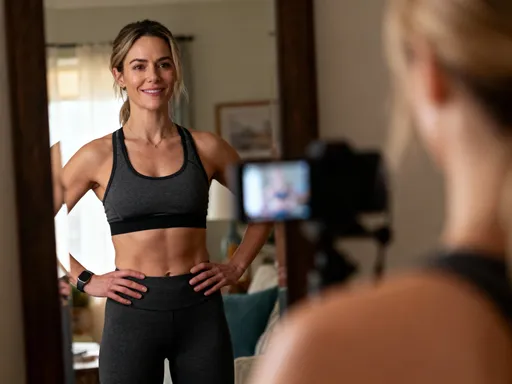
But then, on a whim, I opened my phone’s camera and recorded a 15-second clip of myself doing a few basic movements: a squat, a lunge, a simple stretch. I didn’t think much of it. I just wanted to see what I looked like in motion. I saved it with the date in the file name. The next Sunday, I did it again. Same clothes, same corner of the living room, same routine. I repeated this for three weeks. Then one rainy afternoon, I pulled up all three clips and played them side by side. And there it was—the tiniest but most powerful shift. My posture was straighter. My movements were more controlled. My face looked calmer, more focused. I wasn’t just going through the motions anymore. I was getting stronger, even if the scale didn’t know it yet.
That moment hit me like a quiet lightning bolt. I had been measuring my worth by numbers that didn’t tell the whole story. But video? Video didn’t lie. It showed the subtle changes—the way my shoulders rolled back naturally now, the ease in my steps, the confidence that was slowly building. It wasn’t dramatic, but it was real. And that was enough to make me keep going. I realized I didn’t need a personal trainer or a fancy gym membership. I just needed my phone and the courage to press record.
Why Video Works Better Than Numbers Alone
We’ve all been trained to believe progress means a lower number on the scale or a smaller dress size. But here’s the truth: our bodies don’t change in straight lines, and they certainly don’t change in ways that a measuring tape can always capture. What video gives us is something deeper—it shows movement, posture, energy, and expression. It captures the way you carry yourself through a room, the way you reach for something on a high shelf, or how you play with your kids without getting winded.
I remember one clip where I was doing a wall sit. My face was red, my legs were shaking, and I barely held it for 20 seconds. A month later, I watched a new version—same wall, same outfit, but this time I held it for a full minute, and I was even smiling. That wasn’t just strength; that was resilience. And seeing it play out in real time? That was motivation no chart could ever give me. Video doesn’t care about averages or goals—it just shows up and tells the truth.
And here’s the magic: when you use simple video editing tools, you can turn those raw clips into a powerful visual story. I started adding basic text overlays—“Week 4,” “First Real Push-Up,” “Feeling Stronger”—just small markers to highlight milestones. I’d line up clips from different weeks and play them back-to-back. Sometimes I’d slow down a clip to really see the form, or add a soft fade between clips to make it feel more like a journey. These weren’t Hollywood edits—just clean, simple, honest visuals that showed me, week after week, that I was moving forward.
The best part? I didn’t need to be tech-savvy. I didn’t need expensive software or a tripod. I just needed an app that let me trim, arrange, and label my clips. And once I saw how much those small edits helped me stay connected to my progress, I never looked back. Video didn’t just show me change—it helped me believe in it.
Finding the Right Tool Without Overcomplicating It
When I first thought about editing videos, my mind went to complicated software with endless buttons and confusing timelines. I pictured myself spending hours trying to figure out how to cut a clip, only to give up in frustration. But I quickly learned that you don’t need to be a filmmaker to benefit from video tracking. What I needed was something simple, fast, and free—something that fit into my already busy life.
I tried a few different apps, and honestly, some were way too flashy. They wanted me to add filters, stickers, or dramatic music—none of which felt right for what I was trying to do. Then I found one that was built for clarity, not showiness. It let me import clips, drag them into order, trim the edges, and add text with just a few taps. I could even choose a soft background track—something calm and instrumental—to play under the footage. The whole process took less than five minutes. No learning curve, no pressure, just a clean, quiet way to organize my progress.
The key wasn’t the tool itself—it was how easy it made consistency. I didn’t have to wait for perfect lighting or wear matching leggings. I just had to show up. Every Sunday, same time, same corner of the living room. I’d press record, do my little routine, and then spend a few minutes editing. That’s it. Over time, the app became part of my routine, like brushing my teeth or making my morning tea. It wasn’t about creating content for others; it was about creating proof for myself.
And here’s what surprised me: the more I used it, the more I trusted it. It became my quiet accountability partner. On weeks when I skipped workouts or felt sluggish, I could still open the app and see that I hadn’t stopped. I was still moving, still trying, still growing. That sense of continuity kept me from falling into the all-or-nothing trap. I wasn’t aiming for perfection—I was aiming for presence. And this simple tool helped me stay present, week after week.
Turning Progress into a Daily Habit
At first, recording myself felt awkward—really awkward. I’d stand there in my workout clothes, phone propped up on the couch, wondering, Who am I doing this for? It felt silly, almost self-indulgent. But I kept going, not because it felt good, but because I wanted to see if it would work. And slowly, something shifted. The act of recording stopped being about judgment and started being about celebration.
I began to look forward to my Sunday check-ins. They became part of my self-care ritual—right after making coffee and before planning the week’s meals. I’d stretch a little, do a few reps of squats or planks, and then film. Sometimes I’d laugh at how serious I looked, or how my hair was always a mess. But that was part of it. This wasn’t a performance; it was a record of real life.
And the editing? That became a kind of meditation. As I trimmed clips and added text, I’d reflect on the week. Did I feel stronger? Did I sleep better? Did I choose a walk over scrolling? The process helped me focus on what mattered, not just what showed up on a scale. I started noticing small wins—like being able to carry groceries up the stairs without stopping, or playing tag with my niece without getting out of breath.
Over time, this weekly habit became something I protected. Even on tough weeks—when I was tired, stressed, or just didn’t feel like it—I’d still press record. Not because I expected to see big changes, but because I knew that showing up mattered. And when I watched the older clips, I could see how far I’d come. That wasn’t vanity; it was validation. I was doing the work, and it was making a difference. The habit wasn’t just about fitness—it was about building trust with myself.
Sharing with Loved Ones—And Why It Mattered
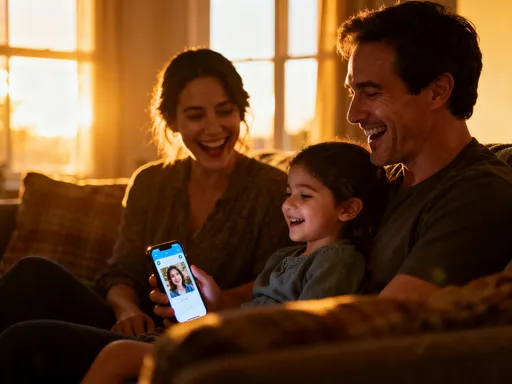
I never posted my videos online. This wasn’t about likes or followers. But I did share them—with my sister. One evening, while we were catching up over tea, I pulled out my phone and showed her a three-month compilation. I wasn’t seeking praise; I just wanted to share what I’d been working on. She watched quietly, then paused on a clip from week six.
“You stand so differently now,” she said.
That hit me. It wasn’t about weight or clothes. It was about presence. Someone who knew me—really knew me—could see the change in how I carried myself. And that meant more than any number ever could. Her words weren’t about appearance; they were about energy, confidence, and strength. And hearing that from someone I loved made the journey feel even more real.
Later, my mom asked to see the videos. She watched them slowly, nodding along. “You’ve always been strong,” she said, “but now you look like you know it.” That moment brought tears to my eyes. What started as a personal experiment had become part of our family story. My health wasn’t just my goal anymore—it was something we talked about, celebrated, and supported together.
Sharing didn’t mean going viral. It meant letting the people who matter see your effort, your growth, your courage. It turned a solo journey into something shared. And that connection? That’s what kept me going on days when motivation was low. I wasn’t just doing this for me—I was doing it so my niece could grow up seeing a woman who took care of herself, who believed in small steps, who didn’t give up.
How Video Helped Me Stay Kind to Myself
Let’s be honest—no fitness journey is smooth. There were weeks when I skipped workouts, ate too much comfort food, or just felt too tired to try. In the past, those moments would’ve sent me into a spiral. I’d tell myself I’d failed, that I should just start over next month. But with video, I had a different perspective. I could go back and see that progress isn’t linear. It’s messy, it’s slow, and it’s human.
I remember one clip where I was trying to do a plank. I lasted 15 seconds, then collapsed, laughing. The next week, I did 25. The week after, I made it to 45. I didn’t delete the first one. I kept it. I even added a little text: “Starting point.” Because that’s what it was. And seeing the progression—struggle, effort, improvement—taught me to be kinder to myself. Setbacks weren’t failures; they were part of the story.
Even the way I edited reflected that shift. I started choosing softer transitions, gentle music, and warmer tones. I avoided harsh cuts or dramatic effects. I wanted the videos to feel peaceful, not judgmental. The way I framed my journey in the edits was the way I wanted to treat myself—patiently, gently, with care. I wasn’t trying to fix myself; I was learning to appreciate myself, exactly as I was, while still growing.
That mindset spilled over into other areas of my life. I started speaking to myself more kindly. I stopped comparing my progress to others. I celebrated small wins instead of waiting for big transformations. Video didn’t just show me my body changing—it helped me change my relationship with myself.
Building a Visual Legacy of Growth
Six months in, I sat down and watched the full compilation from start to finish. Thirty seconds a week, stitched together into a three-minute journey. I saw my posture improve, my movements grow stronger, my face relax. But more than that, I saw discipline. I saw resilience. I saw the power of showing up, even when I didn’t feel like it.
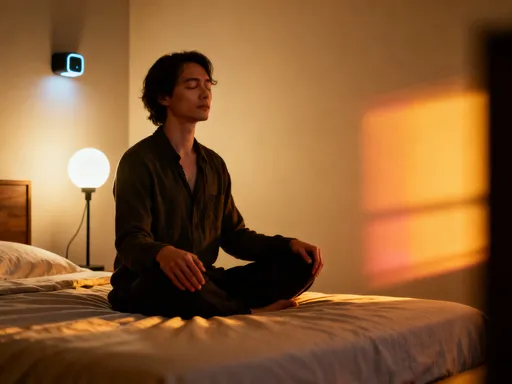
This wasn’t just about fitness. It was about who I was becoming. I realized I could apply the same method to other goals—cooking healthier meals, practicing yoga, improving my sleep, even learning to meditate. Each new goal got its own video thread. I’d record a quick clip of my dinner prep, a short yoga flow, or my bedtime routine. Over time, I built a library of small, quiet victories.
These videos aren’t just files on my phone. They’re a visual legacy—a record of growth, effort, and self-respect. They remind me that change doesn’t happen overnight, but it does happen. They remind me that I am capable, even on the days I don’t feel it. And they remind me that kindness, consistency, and a little bit of technology can transform not just how I look, but how I live.
If you’ve ever felt stuck, unseen, or unsure of your progress, I want to tell you this: pick up your phone. Press record. Don’t worry about how you look or what you’re wearing. Just show up. Use a simple app to keep track, to see the shifts, to celebrate the small stuff. Let technology be your quiet ally, not your critic. Because sometimes, the most powerful proof of change isn’t a number—it’s a video of you, standing taller, moving stronger, and believing in yourself, one week at a time.