Tired of dinner table silence? How a smart dining system brought us closer every night
We’ve all been there—sitting across from each other after a long day, forks moving but words not flowing. You want to connect, but exhaustion wins. That was us, until we discovered how a simple upgrade to our dining space did more than serve meals—it started conversations, tracked our little milestones, and quietly strengthened our bond. It wasn’t about flashy tech; it was about creating space for *us*. I remember one evening, halfway through reheating leftovers, my partner quietly said, ‘We haven’t really talked in days.’ That hit me. Not in an angry way, not with drama—just a soft, sad truth. We were sharing a home, sharing responsibilities, even sharing a bed, but we weren’t really sharing ourselves. And dinner, the one time we *should* be together, had become the quietest part of our day. That moment changed everything.
The Quiet Table That Spoke Volumes
It’s strange how something as simple as a meal can carry so much weight. Our dining table used to be the heartbeat of our home. Sunday pancakes, birthday candles, even tough talks about money or parenting—we faced them all together, across that wooden surface. But somewhere between work deadlines, school drop-offs, and endless to-do lists, the rhythm changed. Dinner became transactional: What’s for dinner? Did you pay the bill? Don’t forget the dry cleaning. The laughter faded. Eye contact became rare. We’d sit just a few feet apart, yet feel miles away.
And it wasn’t just us. I’ve heard so many friends say the same thing—how they share a house but live like roommates. We’re not neglecting each other on purpose. We’re just… tired. Overwhelmed. Distracted. The phone buzzes. The kids need help. The dog needs walking. And before we know it, the moment for real talk has passed. What I didn’t realize then was that silence isn’t neutral. It accumulates. It builds walls, not out of anger, but out of absence. The more we didn’t talk, the harder it became to start. We missed the small things—how someone’s voice changed when they were stressed, the way their eyes lit up when they shared good news. Those micro-moments of connection? They were slipping through our fingers.
Looking back, I see how the dining table became a mirror of our emotional distance. It wasn’t broken. It wasn’t ugly. It just stopped meaning anything. And that’s what scared me the most—not a big fight, not a crisis, but the slow fade of closeness. I didn’t want to wait for a breaking point to fix it. I wanted to find a way to bring us back, gently, without pressure or performance. That’s when I started wondering—what if our space could help us reconnect, instead of just holding our plates?
When Dinner Became More Than a Meal
I’ll admit, I wasn’t looking for high-tech solutions. The last thing I wanted was another screen or another gadget demanding attention. But then I read about ‘ambient intelligence’—technology that works quietly in the background, enhancing life without taking over. That clicked. What if our dining area could be designed not just for eating, but for *being together*? Not with loud alerts or complicated apps, but with subtle cues that invited presence, eye contact, and conversation?
We started small. First, we rearranged the furniture to face each other more directly. Then we added warm, dimmable lighting—nothing fancy, just enough to soften the edges of a long day. But the real shift came when we introduced a smart dining system that wasn’t about serving food, but about serving *connection*. This wasn’t a robot chef or a talking fridge. It was a thoughtfully designed ecosystem: a table with embedded sensors, a discreet sound system, and a private app that only we could access. The goal wasn’t to impress—it was to support.
Here’s what changed: instead of walking into dinner and immediately asking, ‘How was your day?’—a question we both knew would get a one-word answer—we began to *feel* the shift before we even sat down. The lighting would gently brighten as we approached, not to light up the room, but to signal, ‘This is your time.’ No notifications. No pressure. Just a soft invitation to be present. And over time, that small cue did something powerful—it helped us transition from ‘worker mode’ to ‘partner mode.’ We weren’t just sharing a meal anymore. We were sharing a moment.
What surprised me most was how little effort it took. I used to think reconnection meant planning date nights or deep conversations. But this was different. It was daily. Consistent. Low-stakes. The technology didn’t replace us—it simply reminded us to show up as ourselves.
The Tech That Listened Before We Did
Let me be clear: this wasn’t about surveillance or data overload. The system didn’t record our conversations word for word, and I wouldn’t have wanted it to. Instead, it used gentle, non-intrusive technology to support emotional awareness. For example, weight sensors in the chairs detect when both of us are seated. Once we’re both at the table, the lighting shifts to a warmer tone—just enough to draw our eyes up from our plates. It’s like a quiet nudge: ‘Hey, you’re here. You’re together. Look at each other.’
There’s also a soft chime—optional, and we only use it on tougher days—that plays after the first ten minutes of eating. It’s not a timer. It’s a prompt. Sometimes it’s followed by a simple question from the app, spoken in a calm voice: ‘What’s one thing you’re grateful for today?’ or ‘What’s something small that made you smile?’ We don’t have to answer. But nine times out of ten, we do. And those answers? They’ve led to some of our most meaningful talks.
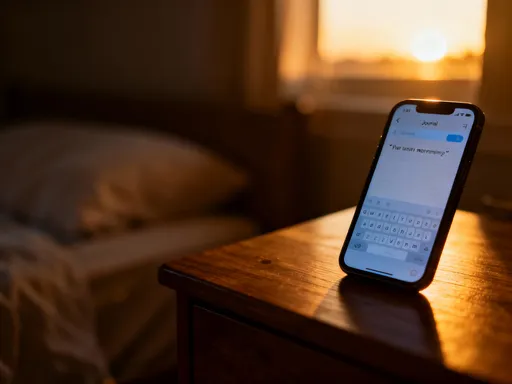
Another feature we love is the voice-enabled journal. At the end of dinner, if one of us says, ‘Remember this,’ the system can capture a 30-second audio clip—just our voices, laughing about a joke, sharing a win, or even talking about a challenge. Later, we can choose to replay these moments during dessert or on weekends. It’s not about preserving perfection. It’s about holding onto the real, messy, beautiful bits of our life together. One night, we laughed so hard at a replay of my partner trying to explain a work meeting gone wrong that we had to pause the recording. Those clips have become our private treasure.
The beauty of it is that it works quietly. No screens. No typing. No distractions. Just presence, supported by design. And honestly? It made us better listeners. When the tech is subtle, it doesn’t compete for attention—it creates space for *us* to be the focus.
Tracking Progress Without Pressure
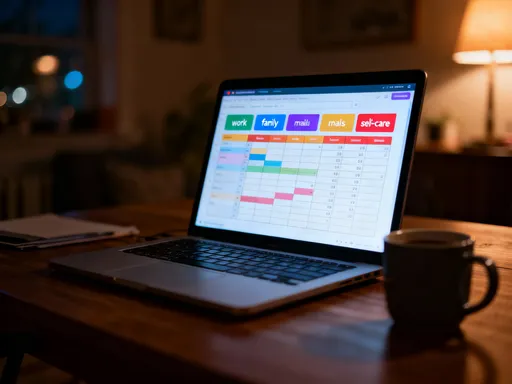
I know what you’re thinking: ‘Now I have to track my marriage?’ That was my reaction too. But here’s the thing—this isn’t about scoring points or comparing ourselves to others. It’s about awareness. The private dashboard, accessible only through our phones, shows simple insights: how many meals we’ve shared in the past week, average conversation length, and mood trends based on our voice tone during recordings (not words—just emotional tone, like calm, energized, or tired).
At first, I was skeptical. But seeing that we’d had four meaningful dinners in a row—even if they were short—felt like a win. It wasn’t about perfection. It was about noticing. When we saw a dip in connection during a busy workweek, it didn’t make us feel guilty. It made us say, ‘We need to protect this time.’ And when we saw that our conversations were longer and more relaxed after turning off our phones at dinner, we made that a habit. The data didn’t judge us. It guided us.
One week, the system noticed a pattern: our mood was consistently higher when we lit candles. Not because of the tech, but because of the ritual. So we started doing it every Thursday. Now, ‘Candle Night’ is something we both look forward to. It’s not fancy. It’s just us, two candles, and a promise to talk about something beyond the to-do list. The dashboard didn’t create that—it just helped us see what was already working.
What I’ve learned is that small data can lead to big changes. It’s not about chasing metrics. It’s about using gentle feedback to strengthen what matters. And for us, that’s showing up for each other, day after day, even when it’s hard.
Our Daily Ritual: From ‘How was your day?’ to Real Talk
Let me walk you through a typical evening now. We come home, tired but trying. We set the table together—no phones, no TV. As we sit down, the table senses our presence. The lights dim slightly, then warm up—our signal that this is ‘us time.’ We start eating, and for the first few minutes, it’s quiet. And that’s okay. We’re settling in.
Then, about ten minutes in, we hear the soft chime. My partner smiles. ‘Here comes the deep stuff,’ he says. Last week, the voice prompt asked, ‘What’s something you’re proud of this week?’ I talked about finally finishing a project I’d been avoiding. He told me about a small act of kindness he’d witnessed at work. We didn’t solve world peace, but we *saw* each other. That’s what mattered.
During dessert, the system sometimes plays a short clip from earlier in the week—something we’d saved. One night, it played my voice saying, ‘I’m so glad we went for that walk yesterday.’ Hearing it again, across the table, made us both pause. ‘We should do that more,’ he said. And we did.
The magic isn’t in the tech. It’s in the consistency. We don’t have profound talks every night. Some evenings, we just laugh about a silly meme or plan the weekend. But the ritual—showing up, being present, sharing even a little—has rebuilt something we didn’t even realize was crumbling. And the best part? Our kids have started asking, ‘Can we join the conversation part tonight?’ Now, it’s not just our ritual. It’s becoming our family’s.
Small Data, Big Feelings
Every Sunday evening, we spend five minutes reviewing the week’s insights together. No judgment. No pressure. Just curiosity. We look at the chart showing our shared meals, the mood trends, and the conversation length. It’s not about fixing anything. It’s about celebrating what went well and gently adjusting what didn’t.
One week, we noticed our connection dipped midweek. The data showed shorter conversations and more tense tones. Instead of blaming each other, we looked at our schedule. Ah—both of us had big presentations. No wonder we were drained. So the next week, we agreed to keep dinner extra simple—leftovers, no cooking—and just focus on being together. We called it ‘Recharge Mode.’ And it worked.
Another week, we saw a spike in positive mood after we started our ‘no phones’ rule. That simple insight gave us the motivation to keep it going. We even added a new habit: sharing one ‘win’ from the day, no matter how small. ‘I finished that email I’d been avoiding.’ ‘I said no to something I didn’t have time for.’ Those tiny victories, spoken aloud, started to build a sense of shared accomplishment.
What I love is that the data doesn’t shame us. It holds up a mirror. It helps us see patterns we’d otherwise miss. And in a world that’s always pushing us to do more, it gives us permission to care for our relationship in small, sustainable ways. It’s not about grand gestures. It’s about showing up, again and again, with kindness and curiosity.
More Than a Smart Table—A Relationship Ally
I used to think love was about big moments—anniversaries, vacations, grand declarations. But this experience has taught me that love lives in the small, daily choices. It’s in the way we look up from our plates. It’s in the pause before we react. It’s in the willingness to say, ‘Tell me more.’
Our smart dining system isn’t a fix. It didn’t solve all our problems. But it became a quiet ally—a consistent presence that helped us rebuild what mattered most. It didn’t replace our effort. It supported it. It didn’t create connection. It made space for it.
And now, when I look at our table, I don’t see silence. I see laughter. I see stories. I see us, choosing each other, one meal at a time. The future of smart homes isn’t just about comfort or convenience. It’s about connection. It’s about using technology not to escape from each other, but to come closer. Because at the end of the day, what we all want is to feel seen, heard, and loved. And sometimes, all it takes is a little light, a gentle chime, and the courage to say, ‘Tell me about your day—really.’