Beyond the Backup: How Saving My Phone’s Memories Helped Me Reconnect with People I’d Lost Touch With
Have you ever scrolled through old photos and felt a pang of nostalgia for friendships that faded? I did—until I realized my phone held more than just data. It held connections. After a simple backup restored moments I thought were gone, I reconnected with people I hadn’t spoken to in years. This isn’t just about technology—it’s about how one small digital habit quietly reshaped my relationships and brought unexpected warmth back into my life. That moment changed how I see my phone, not just as a device, but as a keeper of stories, laughter, and love I never wanted to lose again.
The Moment I Almost Lost Everything
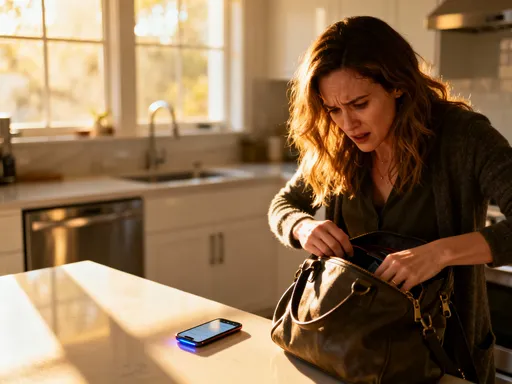
It happened on a rainy Tuesday morning. My phone froze during a video call with my sister, then went completely black. No warning, no error message—just silence. I pressed the power button over and over, hoping for a flicker of life. Nothing. My heart dropped. This wasn’t just about losing a device. It was about losing years of memories: baby’s first steps, my mom’s birthday party, messages from friends who’d moved abroad, even silly selfies from vacations I’d never get back. I felt a wave of panic—not just because of the cost of a new phone, but because I thought I’d lost the emotional anchors of my life.
I remember sitting at the kitchen table, staring at the dead screen, thinking, Did I ever back this up? I’d heard the phrase a thousand times—“Back up your phone”—but it always felt like something for tech-savvy people or those who cared more about data than feelings. To me, it sounded like a chore, like changing the batteries in the smoke detector: important, but easy to ignore until it’s too late. That morning, I realized I’d ignored it for too long. I hadn’t just risked losing photos—I’d risked losing pieces of my relationships.
Thankfully, I had one last hope: an old cloud account I barely remembered signing up for. I logged in from my laptop, fingers trembling, and there it was—my entire phone, saved just two weeks earlier. I downloaded everything, restored it to a new device, and slowly, my life came back. But what surprised me most wasn’t just getting my files back. It was how seeing those old messages and photos made me reach out to people I hadn’t spoken to in years. A birthday text from my cousin in Canada. A voice memo from my best friend from college. A photo of us laughing at a café I didn’t even remember. These weren’t just files—they were invitations to reconnect. And I took them.
How a Simple Backup Became My Emotional Lifeline
Before that crash, I saw backups as a technical task—like updating software or deleting spam emails. Something to do when I had time. But after I recovered my data, I started seeing it differently. Those saved messages weren’t just digital clutter. They were proof that someone had thought of me, reached out, shared a moment. That birthday voice note from my cousin? I played it again and again. Her voice saying, “Happy birthday, love you!” brought tears to my eyes. I hadn’t spoken to her in months, caught up in the busyness of life. But hearing her voice reminded me how much I missed her.
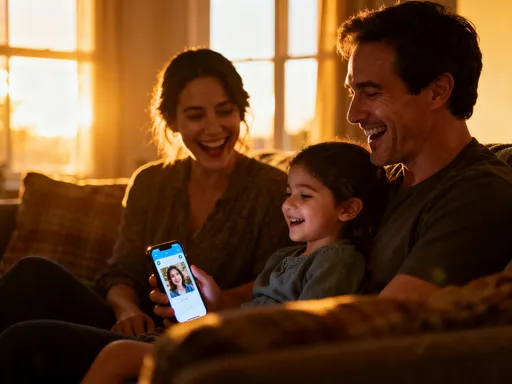
So I called her. Not with an apology for not staying in touch, but with, “Hey, I just heard your old birthday message and it made me smile. How have you been?” That simple call led to a long conversation, then plans for a video chat with our families. What started as a recovery of data turned into a reconnection of hearts. I realized then that backing up my phone wasn’t just about protecting files—it was about protecting relationships. It was emotional care disguised as a tech habit.
And it wasn’t just her. I found a saved text thread with my high school friend who’d moved overseas. We’d drifted apart after graduation, life pulling us in different directions. But seeing our old jokes—“Remember when we got lost at the mall and ate three cinnamon rolls to calm down?”—made me laugh out loud. I sent her a screenshot with, “I found this and still can’t believe we survived that day.” She replied within minutes: “I’ve missed your sense of humor. Let’s talk soon.” We did. And now, we’re planning a trip to meet halfway. All because I didn’t lose a text message.
The Unexpected Gift of Digital Clutter
I used to think digital clutter was something to clean up. I’d delete old messages, clear my downloads, and feel proud of how “organized” I was. But after my restore, I started noticing something: the things I thought were useless actually held meaning. A screenshot of a meme my brother sent me during a tough week. A random photo of my niece holding up a drawing she made for me. A voice note from my friend saying, “Just checking in—hope you’re doing okay.” These weren’t clutter. They were quiet acts of love, saved without me even realizing it.
One evening, I stumbled on a screenshot from my college roommate. It was a silly argument we’d had over text about whether pineapple belongs on pizza. We’d both been so dramatic about it, typing in all caps, sending angry emojis. I laughed until I cried. And then I thought, Where is she now? I hadn’t seen her in years. We’d lost touch after graduation, each of us buried in careers and families. But that silly screenshot felt like a bridge. I found her on social media and sent the same screenshot with, “Still wrong about pineapple, by the way.” She replied, “Still a food criminal, I see.” And just like that, we were talking again—about kids, work, life. That “useless” file had become a doorway.
It made me realize that our digital lives are full of these quiet invitations. A forgotten photo. A saved ticket stub from a concert. A text that says, “Thinking of you.” We delete them thinking we’re cleaning up, but sometimes, we’re deleting the very things that could help us reconnect. Now, I don’t rush to delete. I let the digital clutter stay, because I’ve learned it’s not clutter at all—it’s connection waiting to be rediscovered.
Turning Lost Data into New Conversations
Once everything was restored, I started going through my photos and messages—not just to check what was there, but to see who I might want to reach out to. I didn’t do it with guilt or pressure. No, “I’m sorry we lost touch” messages. Instead, I used the memories as conversation starters. “Remember this?” became my favorite phrase. I sent a photo of us at the beach during a family trip to my sister-in-law: “Look at us trying to build that sandcastle. We were so ambitious.” She replied, “And so bad at it! We should try again this summer.” That led to planning a reunion.
Another time, I found a video of my mom laughing at a funny bird in the backyard. I sent it to her with, “This still makes me smile. You have the best laugh.” She called me that evening, her voice soft, “I didn’t know you saved that. It means a lot.” That small gesture deepened our bond. It wasn’t about the video—it was about showing her that I cherish her joy.
These weren’t forced conversations. They felt natural, warm, and rooted in real moments we’d shared. My backup didn’t just save data—it gave me a treasure chest of authentic connection points. And the best part? I didn’t have to come up with something to say. The memories did the talking for me. It reminded me that staying close doesn’t always require big gestures. Sometimes, it’s as simple as sharing a laugh from five years ago.
How Regular Backups Keep Relationships Alive
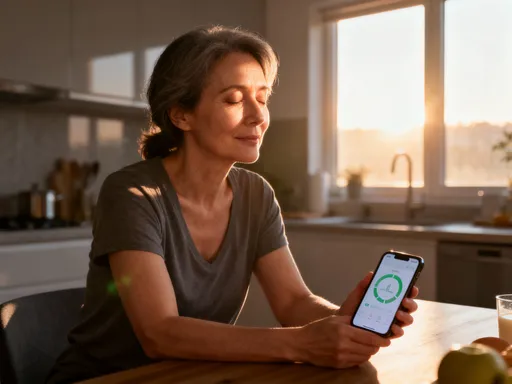
Now, I treat backups like relationship maintenance. Just like I schedule dentist appointments or family dinners, I make sure my phone is backed up weekly. It takes less than a minute—just a quick check to see the cloud icon has a green checkmark. But more than that, I’ve started using it as a moment to pause and reflect. Every time I see that backup complete, I think: My memories are safe. My connections are preserved.
And once a month, I do something new: I browse through my saved photos and messages. Not all of them—just a few folders I’ve labeled: “Family Moments,” “Friend Laughs,” “Special Messages.” Seeing a saved video of my daughter’s first piano recital reminds me to call my mom: “Remember how nervous she was? She did so well.” A photo of my best friend and me at a holiday party makes me text her: “We looked so fancy! Let’s do it again.” These small acts keep the threads of our relationships strong, even when life gets busy.
I’ve learned that technology, when used with intention, becomes a tool for emotional upkeep. It’s not about being online all the time. It’s about using the tools we already have—our phones, our cloud storage—to care for the people we love. A backup isn’t just a tech step. It’s a promise: I want to remember us. I want to stay connected. And I’m doing my part to make sure I can.
Making It Easy: A No-Stress Backup Routine Anyone Can Follow
I’ll be honest—I’m not a tech expert. I don’t understand all the settings, and I used to get overwhelmed by terms like “iCloud,” “Google Drive,” or “auto-sync.” But I’ve learned that you don’t need to be an expert to back up your phone. You just need consistency and a few simple steps. Here’s what I do, and what I recommend to any mom, wife, sister, or friend who wants to protect her memories without the stress.
First, I use the built-in backup feature on my phone. If you have an iPhone, it’s iCloud. If you have an Android, it’s Google One. Both can be set to back up automatically when your phone is charging and connected to Wi-Fi. I turned that on, and now it happens every night while I sleep. No effort, no thinking about it. Just peace of mind.
Second, I created simple labels or albums for important moments. Instead of having thousands of photos in one big pile, I made folders like “Kids Growing Up,” “Family Holidays,” “Friend Adventures,” and “Special Messages.” It takes five minutes to drag a few photos into a folder, but it makes it so much easier to find them later. When I want to reconnect with someone, I know exactly where to look.
Third, once a month, I spend about ten minutes browsing what’s saved. I don’t do it all at once. I might look at one album while waiting for the laundry, or scroll through a few saved messages during my coffee break. It’s not a chore—it’s a little gift to myself. And sometimes, it leads to a text, a call, a plan. That ten minutes is an investment in my relationships.
You don’t need fancy apps or complicated systems. Just turn on auto-backup, organize a little, and take a few moments to look back. That’s it. In less time than it takes to fold a load of towels, you can protect your memories and open doors to reconnection.
More Than Storage: Why Digital Care Is Self-Care
Backing up my phone taught me something deeper: protecting my digital life isn’t vain or obsessive. It’s deeply human. It’s about honoring the people who’ve walked beside me, laughed with me, supported me. When I save a voice message from my sister, I’m saying, “Your voice matters to me.” When I keep a photo of my kids building a snowman, I’m preserving a moment of joy I never want to forget. This small act of digital care is also an act of self-care—it helps me feel grounded, connected, and at peace.
And it’s not just about the past. It’s about the future, too. I want my children to grow up knowing how loved they were. I want to be able to show them videos of family dinners, photos of holidays, messages from grandparents who may not be here forever. I want them to feel that warmth, that belonging. By backing up my phone, I’m not just saving data—I’m building a legacy of love.
That rainy Tuesday morning could have ended in loss. Instead, it became a turning point. It reminded me that technology, when used with heart, can do more than store files. It can restore connections, reignite friendships, and bring unexpected joy. It can help us say, “I remember you,” even when years have passed. It can help us feel less alone in a busy world.
So if you’ve been putting off backing up your phone, I get it. Life is full. But please, don’t wait for a crash to realize what you might lose. Take a few minutes today. Turn on auto-backup. Create one folder. Look at one old photo. And if it makes you smile, reach out to someone. Let them know they’re remembered. Because in the end, it’s not about the tech. It’s about the love. And that’s worth saving.