Shifted My Sleep Schedule in Just 3 Days: The Online Whiteboard That Kept Me on Track
We’ve all been there—lying awake at 2 a.m., scrolling mindlessly, dreading the groggy morning ahead. I used to battle my sleep schedule constantly, until I stumbled on an unexpected solution: an online whiteboard app. It wasn’t designed for sleep, but I repurposed it to map my evenings, set visual reminders, and track progress like a shared project with myself. Within days, I was falling asleep earlier, waking refreshed, and actually *sticking* to a routine. Here’s how a simple tech tool transformed my nights and mornings.
The Nightly Struggle: When Sleep Feels Out of Reach
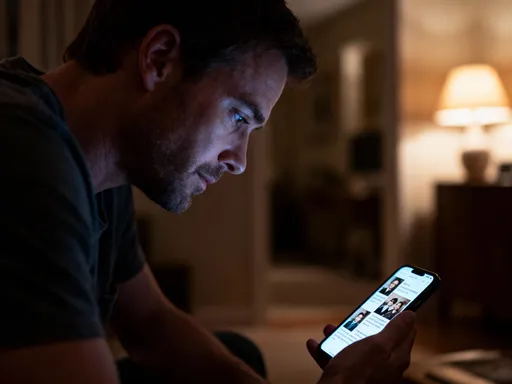
Have you ever found yourself wide awake at midnight, staring at the ceiling, heart racing with thoughts you can’t seem to shut off? I have—more times than I’d like to admit. For years, my evenings blurred into a cycle of ‘just one more episode,’ ‘I’ll check my email quickly,’ or ‘I should really prep lunch for tomorrow.’ And before I knew it, it was 1 a.m., my body tense, my mind buzzing, and sleep felt like a distant dream.
It wasn’t just about being tired the next day—though that was bad enough. The real toll was deeper. I’d wake up groggy, reach for extra coffee, and still feel foggy by mid-morning. My focus at work slipped. I snapped at my kids over little things. I canceled plans with friends because I just didn’t have the energy. I started to feel like I was running on empty, and no amount of naps could refill the tank.
What I didn’t realize then was that my problem wasn’t laziness or poor willpower. It was lack of structure. Without a clear evening routine, my brain didn’t know when to wind down. There were no signals telling my body, ‘Hey, it’s time to slow down.’ I was treating my rest like an afterthought, not a priority. And the more I failed to sleep well, the more I dreaded bedtime—like it was this looming task I was bound to fail at.
Sound familiar? You’re not alone. So many of us are caught in this loop. We want to sleep better, but we don’t know where to start. We try apps, read articles, maybe even buy fancy pillows—but nothing sticks. Why? Because we’re trying to fix a human habit with quick fixes. What I discovered is that sometimes, the best solutions come from tools we already use—just in a new way.
A Tech Tool for a Human Problem: Discovering the Whiteboard App
I first came across the online whiteboard app at work. My team used it to plan projects, brainstorm ideas, and track deadlines. It was colorful, intuitive, and collaborative. We’d drag sticky notes around, draw flowcharts, and check off tasks with real-time updates. It made complex work feel manageable—and even kind of fun.
One night, while lying awake and scrolling through my phone (yes, again), I saw a notification from the app: ‘Team Project Board updated.’ I opened it out of habit and stared at the clean layout—color-coded sections, progress bars, little checkmarks. And suddenly, it hit me: What if I treated my sleep routine like a project?
It sounded a little silly at first. Sleep isn’t a spreadsheet. But the more I thought about it, the more sense it made. The app wasn’t just for work—it was a visual way to organize anything. And my evenings? They were messy, unstructured, and full of good intentions that never quite landed. Maybe what I needed wasn’t another reminder alarm or a sleep tracker, but a way to *see* my plan—like a map for my night.
I decided to give it a try. I created a private board just for me. No pressure, no performance review—just a space to design a better rhythm for my evenings. I didn’t expect much. But within days, something shifted. The act of putting my routine on a visual board changed how I saw it. It wasn’t just a list of things to do—it became a plan I could interact with, adjust, and feel proud of. And that made all the difference.
Building My Sleep Map: Turning Goals into Visual Steps
Creating my sleep map was easier than I thought. I started by asking myself: What does a good evening actually look like? Not perfect—just better. I thought about the things that helped me relax: drinking herbal tea, reading a book, folding laundry, journaling for five minutes. I also knew I needed to set boundaries—like putting my phone down by 9:30 and avoiding work emails after dinner.
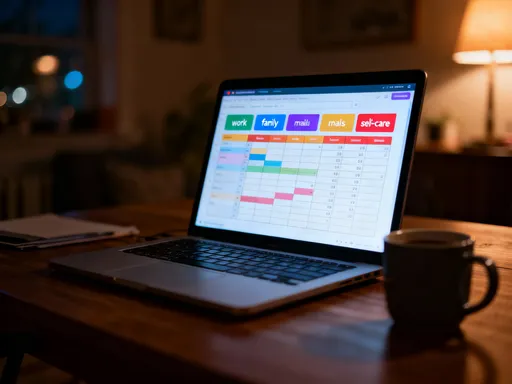
I opened the whiteboard and divided it into time blocks: 7–8 p.m., 8–9 p.m., 9–9:30, and so on. In each section, I added sticky notes with simple actions. ‘Make tea,’ ‘Read 10 pages,’ ‘Brush teeth,’ ‘Lights out.’ I used soft colors—blue for calm, green for progress, pink for self-care. I even added a little progress bar at the bottom that I could fill in as I completed each step.
What surprised me was how motivating it felt to see everything laid out. It wasn’t just a to-do list—it was a visual story of my evening. And because the board was digital, I could access it from my phone or tablet. Before bed, I’d pull it up and say, ‘Okay, let’s follow the map.’ If I got off track, I’d drag the sticky notes to the next day—no guilt, just adjustment.
One of my favorite touches was adding small emojis—a teacup, a book, a moon, pajamas. They made the board feel warm and personal, not clinical. It reminded me this wasn’t about productivity—it was about care. And the more I followed the plan, the more natural it felt. Within three days, I noticed I was naturally starting my wind-down routine earlier. My mind wasn’t racing as much. I was actually looking forward to bedtime.
Sharing the Journey: Accountability Without Pressure
Here’s something I didn’t expect: sharing my sleep board with my sister made all the difference. I wasn’t looking for supervision—I just wanted someone to know what I was trying to do. So I invited her to view the board as a guest. She couldn’t edit it, but she could see my progress and leave comments.
A few days in, I got a message: ‘Saw your bedtime section—nice pajama emoji! 😴 Did you actually read that book last night?’ I laughed and wrote back, ‘Yes! Finished a whole chapter before 10.’ It was such a small exchange, but it made me feel seen. Knowing someone else was gently rooting for me helped me stay consistent.
That’s the beauty of using a shared tool for a personal goal. It turns self-improvement from a lonely journey into a quiet connection. You’re not posting on social media or seeking applause—you’re simply letting someone who cares about you witness your effort. And that kind of quiet accountability is powerful.
My sister never judged me when I missed a step. Once, I stayed up late watching a movie and didn’t follow the plan. The next day, she commented, ‘Movie night? Worth it. Ready to reset?’ I loved that. It wasn’t about perfection—it was about showing up again. And because the board was visible, it was easier to talk about my progress without feeling like I had to explain or defend myself.
You don’t need to share with a sibling—maybe it’s your best friend, your mom, or even a partner. The key is choosing someone who supports you without pressure. Someone who celebrates small wins and offers kindness when things go off track. That kind of connection can make a habit stick in ways willpower never could.
Adjusting in Real Time: Life Happens, and That’s Okay
Let’s be real—life doesn’t always follow a schedule. Some evenings, I had last-minute work calls. Other nights, the kids were sick, or I wanted to enjoy a long phone call with a friend. And that’s okay. One of the best things about the whiteboard was how flexible it was.
Instead of abandoning the plan when something came up, I’d simply drag the sticky notes to the next day. ‘Reading’ moved to tomorrow. ‘No screens after 9:30’ got a little clock emoji with ‘Delayed, not canceled.’ This tiny act—rescheduling instead of quitting—kept me from feeling like a failure.
I started to see the board not as a rigid rulebook, but as a living plan. It could breathe with my life. And that made it sustainable. I wasn’t trying to be perfect—I was trying to be consistent over time. Some nights were better than others, and that was part of the process.
There was one moment that stands out. I’d had a tough week—sleep was off, stress was high, and I hadn’t touched the board in days. I felt like giving up. Then I opened it, looked at the blank sections, and typed a new note: ‘Missed yesterday? Let’s redesign together.’ I changed the colors, simplified the steps, and added a new reminder: ‘Be kind to yourself.’ That small act of compassion brought me back in.
The board didn’t shame me. It invited me to try again. And that’s what I love about using tech this way—it supports growth, not guilt. It’s not about punishment for falling short. It’s about creating a space where you can adjust, reflect, and keep going—without starting from scratch.
Beyond Sleep: The Ripple Effect on Daily Life
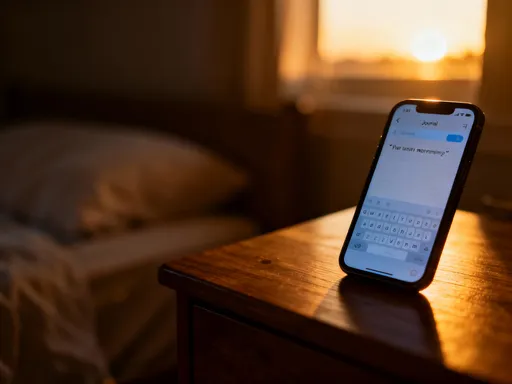
What I didn’t expect was how much better sleep would improve everything else. Within a week, I was waking up with more energy. I wasn’t dragging myself out of bed. I started making coffee and actually sitting down to drink it—instead of gulping it on the way out the door.
At work, I felt sharper. I could focus during meetings instead of zoning out. I had more patience with my team. At home, I was present—really present—with my kids. I wasn’t half-watching TV while thinking about tomorrow’s to-do list. I played games with them, listened to their stories, and even started cooking dinner without rushing.
I also found myself more motivated to take care of my body. I started taking morning walks. I packed healthier lunches. I even signed up for a yoga class—something I’d been saying I’d do for years. It wasn’t that I suddenly had more time. It was that I had more energy, more clarity, and more emotional space.
One morning, my daughter looked at me and said, ‘Mom, you seem happier.’ That hit me right in the heart. I realized I wasn’t just sleeping better—I was *living* better. The small changes in my evening routine had created a ripple effect. I was calmer, kinder, and more in tune with myself. And that, more than anything, made the effort worth it.
Making It Yours: Simple Steps to Start Tonight
If you’re ready to try this, I promise—it’s easier than you think. You don’t need fancy tools or hours of planning. Just three simple steps to start tonight.
First, choose an online whiteboard app. There are several free ones available—look for one that lets you add sticky notes, draw, and share with others. You don’t need to be tech-savvy. Just pick one that feels intuitive to you.
Second, sketch your ideal evening. Start with one hour before bed. What would help you wind down? Maybe it’s tea, reading, stretching, or writing down three good things from your day. Add one step at a time. Use colors, emojis, or little drawings to make it feel personal.
Third, add one visual cue—like a progress bar or a ‘done’ checkmark—that you can update each night. This small act of marking progress builds momentum. And if you want, invite one person you trust to view your board. Even silent support can make a difference.
Remember, this isn’t about control. It’s about care. You’re not trying to fix yourself—you’re creating a kinder rhythm for your life. Some nights will go smoothly. Others won’t. And that’s okay. The board is there to help you return, not to judge you.
So tonight, before you pick up your phone, ask yourself: What would a peaceful evening look like for me? Then, take one small step to make it real. You don’t have to change everything at once. You just have to start. Because better sleep isn’t just about rest—it’s about reclaiming your energy, your joy, and your sense of self. And you deserve that.