Transformed my morning routine with one design app: How I upgraded my shopping in 10 minutes
You know that rush before the day truly begins—coffee in hand, list in mind, trying to stay ahead. I used to scroll endlessly, overwhelmed by choices and wasted time. Then I discovered a simple creative tool that changed everything. It didn’t just organize my thoughts—it reshaped how I shop, plan, and start my day. This isn’t about flashy tech. It’s about small moments of clarity that add up. Let me show you how one morning habit made my life lighter, smarter, and more intentional.
The Morning Chaos: How My Day Used to Start
Remember those mornings? The alarm rings, you hit snooze once—maybe twice—and suddenly, it’s 7:45. You scramble to get the kids’ lunches packed, throw on whatever’s clean, and grab your phone to check your notes. The grocery list. The dry cleaning. The birthday gift you forgot to buy. By the time you walk into the supermarket later, you’re already tired. You stand in the frozen food aisle, staring blankly at the options, trying to remember if you needed chicken or turkey burgers. Did the kids ask for waffles? Was there something for dinner tomorrow?
I used to leave the store with half the things I needed and three times more than I planned to spend. Impulse buys piled up—snacks no one would eat, duplicate spices, that trendy kitchen gadget I saw next to the register. And the guilt followed me home. Not just about the money, but about the time. Time wasted walking the same aisles twice a week. Time lost because I didn’t think ahead. Time I could’ve spent reading, resting, or just breathing.
What I didn’t realize then was that this wasn’t just a shopping problem. It was a planning problem. And worse, it was a confidence problem. Every forgotten item, every overspend, every moment of standing frozen in the cereal aisle made me feel a little less capable. Like I was always one step behind. Mornings like that didn’t just start my day—they set the tone for it. If I felt scattered at 9 a.m., I stayed scattered all day. The ripple effect was real: short temper with the kids, missed deadlines at work, dinner burned because I didn’t prep.
But what if it didn’t have to be this way? What if the fix wasn’t another app promising miracles, but something quieter? Something that didn’t add to the noise, but helped me cut through it?
A Tiny Shift: Discovering the Right Creative Tool
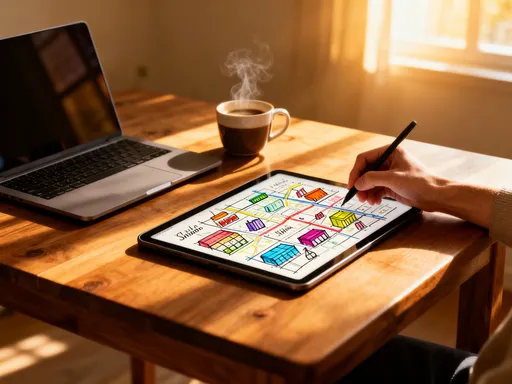
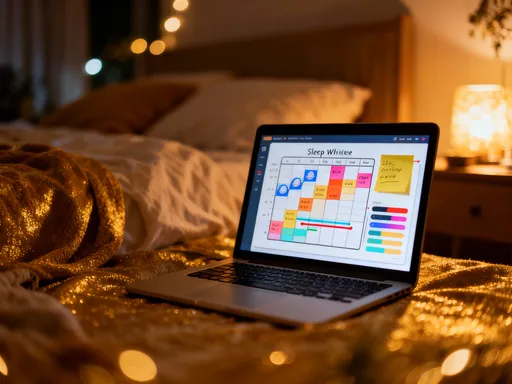
The change didn’t come from a productivity guru or a viral TikTok hack. It came from a random Sunday afternoon when I was trying to plan a small dinner party. I wanted to get the table setting right, pick the menu, and make sure I had all the ingredients. I opened a design app I’d downloaded months ago for fun—something meant for making social media graphics or simple flyers. But instead of writing a list, I started dragging photos of dishes, plating ideas, and even napkin colors onto a blank canvas. I added sticky notes with shopping items, arranged by aisle. And something shifted.
For the first time, planning didn’t feel like a chore. It felt creative. Light. Enjoyable. I wasn’t just ticking boxes—I was designing an experience. And when I walked into the store, I didn’t wander. I followed my visual map. In and out in 18 minutes. No stress. No second trips. No regrets.
That’s when it hit me: I didn’t need a shopping app. I needed a thinking space. A place where I could see my needs, not just read them. The app I was using wasn’t built for shopping lists, but it worked perfectly because it gave me freedom. No rigid categories. No forced formats. Just a blank page and my imagination. I could sketch a pantry layout, pin photos of outfits I wanted to recreate, or map out a weekend project with the supplies I’d need.
What made it stick wasn’t the technology—it was the feeling. I felt in control. Like I was designing my life, not just surviving it. And the best part? It only took about ten minutes each morning. Not an hour. Not a weekend ritual. Just a quiet moment with my coffee, my thoughts, and this simple tool that helped me turn chaos into clarity.
How It Works: Turning Ideas into Visual Shopping Maps
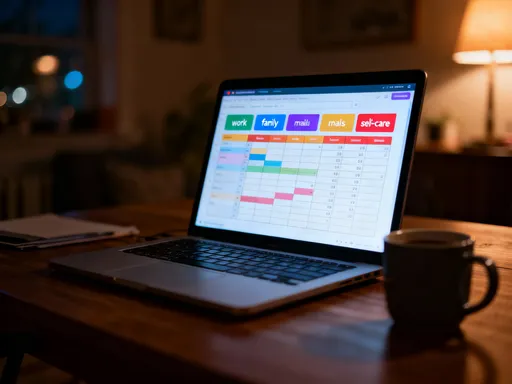
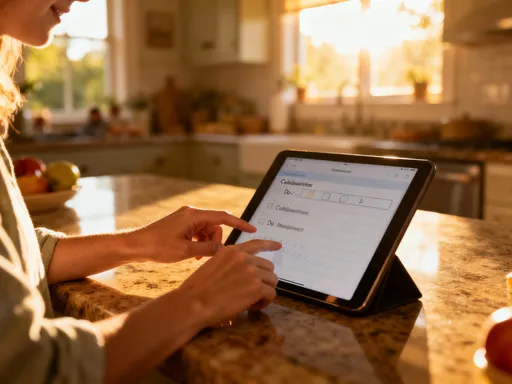
So how does it actually work? Every morning, after I pour my coffee and before I check email, I open the app. It’s become my ritual—like lighting a candle or stretching. I start with a blank board, and I ask myself: What do I need today? Not just groceries, but energy, calm, beauty. Then I begin building.
For groceries, I create a visual meal plan. Instead of writing “chicken, broccoli, rice,” I find images of the dishes I want to make—maybe a creamy lemon chicken with roasted veggies. I pin that to the top of the board. Then I break it down: ingredients on the left, spices in the middle, pantry staples on the right. I even add a little section for snacks the kids like, so I don’t end up buying five different kinds of granola bars.
For wardrobe planning, I do the same. I take a photo of my closet or pull inspiration from sites I like. Then I start pairing outfits—tops with skirts, jackets with jeans. I add notes like “dry clean navy dress” or “buy new workout socks.” It’s not about being fashionable. It’s about reducing decision fatigue. When I know what I’m wearing, I save mental energy for things that matter.
And for home projects? I once used it to plan a small bathroom refresh. I found images of towel colors, a new soap dispenser, even the kind of plants I wanted. Then I listed every item I needed, with estimated prices. When I went shopping, I had a clear vision. No second-guessing. No coming home with the wrong shade of gray.
The magic is in the visuals. Our brains process images faster than text. Seeing a meal laid out makes it real. Seeing an outfit together makes it wearable. It’s not just planning—it’s pre-living the moment. And that changes everything. You’re not guessing what you need. You’re remembering what you’ve already designed.
Smarter Shopping, Less Stress: Real-Life Results
The changes didn’t happen overnight, but they were real. Within two weeks, my grocery trips went from 45 minutes to under 25. I stopped buying duplicates. No more three bottles of olive oil in the pantry. I remembered the almond milk. I didn’t forget the birthday present. And my spending? Down by nearly 30 percent in the first month. Not because I was depriving myself, but because I was intentional.
I started feeling proud of my lists. Not just because they were complete, but because they reflected what I truly wanted. I wasn’t reacting to sales or flashy packaging. I was choosing based on a plan I’d designed with care. One day, my daughter said, “Mom, we’ve been eating better.” And I realized—she was right. Because I could see the meals ahead, I made healthier choices. I included more veggies, planned balanced snacks, and even prepped smoothie ingredients the night before.
The emotional shift was just as powerful. I walked into stores with confidence. No more second-guessing. No more guilt at checkout. I wasn’t just saving money—I was saving peace of mind. And that peace followed me home. I was less irritable. More present. I had time to help with homework, start dinner early, or just sit with a book.
Even my family noticed. My husband said, “You seem calmer in the mornings.” And I was. Because I wasn’t starting the day with a mental scramble. I was starting with a clear vision. That sense of control bled into other areas—my work felt more focused, my conversations more present, my self-talk kinder. I wasn’t just shopping better. I was living better.
Beyond the Store: How This Habit Ripple-Effects Through My Day
What surprised me most wasn’t the shorter shopping trips or the savings. It was how this tiny habit changed my relationship with time and intention. That 10-minute creative pause became a daily reset. It wasn’t just about what I needed to buy—it was about how I wanted to feel.
On days I did it, I felt proactive. On days I skipped it, I felt reactive. The difference was clear. When I took that moment to design my needs, I showed up differently. At work, I was more focused because I wasn’t mentally tracking grocery items. With my kids, I was more patient because I wasn’t stressed about dinner. Even my sleep improved—because I wasn’t lying in bed, mentally reviewing tomorrow’s to-dos.
One morning, a friend texted: “You seem more put together lately.” I laughed and said, “I’m using a design app every morning.” She thought I was joking. But it’s true. I feel more put together because I *am* more put together. Not because I’m doing more, but because I’m thinking clearer. That visual planning habit became a form of self-care. It’s like giving myself a quiet pep talk before the day begins.
And it’s not just about shopping. I’ve started using it for bigger things—planning a weekend getaway, organizing a family photo session, even mapping out goals for the year. The app has become my thinking space. My clarity corner. And the best part? It’s all in my hands, every morning, before the world wakes up.
Making It Yours: A Simple Guide to Start Tomorrow
You don’t need to be a designer. You don’t need expensive tools. All you need is a few minutes, a quiet moment, and a willingness to try something different. Here’s how to start—simple, gentle, no pressure.
First, pick a user-friendly design app. Look for one with drag-and-drop features, free templates, and the ability to add photos, text, and notes. Many are free to start and work on your phone or tablet. You’re not looking for perfection—you’re looking for flexibility.
Next, choose one area to begin. Maybe it’s groceries. Maybe it’s wardrobe. Start small. Open the app tomorrow morning with your coffee. Take five to ten minutes. Create one visual board—just for today’s needs. Add images, jot down notes, arrange things how they make sense to you. Don’t worry about how it looks. Worry about how it feels.
Pair it with something you already enjoy. Coffee. Music. Silence. Make it part of your rhythm. And if you miss a day? That’s okay. This isn’t about discipline. It’s about kindness to yourself. The goal isn’t a perfect board—it’s a clearer mind.
Try it for one week. Notice what shifts. Do you feel calmer? More in control? Do you shop with more purpose? The answers might surprise you. And if you find yourself smiling in the cereal aisle because you know exactly what you need? Well, that’s the win.
The Bigger Picture: Why Small Tech Habits Change Everything
We often think technology should be big—smart fridges, voice assistants, apps that do everything for us. But the real power isn’t in what tech does for us. It’s in how it helps us show up for ourselves. A simple design app didn’t change my life because it was advanced. It changed my life because it gave me space to think, to see, to choose with intention.
That 10-minute habit taught me something deeper: I am the designer of my days. Not my calendar. Not my to-do list. Me. And when I take a moment to create—visually, quietly, honestly—I reclaim that power. I’m not chasing the day. I’m leading it.
It’s not about doing more. It’s about being more present. More aware. More at peace. And when you feel that, everything shifts. Your shopping becomes mindful. Your time becomes valuable. Your energy becomes protected.
So here’s my invitation: try it. Not because you have to, but because you deserve a lighter, smarter, more intentional life. Start tomorrow. Open a blank board. Add one idea. One need. One image that inspires you. Let technology serve you—not as a distraction, but as a tool for clarity.
Because sometimes, the smallest changes make the biggest difference. And your morning? It could be the first step toward a life that feels truly yours—one simple design at a time.