I can't find my phone again! — How app routines finally tamed my daily chaos
"I can't find my phone again!" — How many times have you said that this week? Maybe it's buried under the laundry, left in the car, or hiding behind the couch cushion — again. You’re not alone. Most of us start the day with good intentions, only to be derailed by a missing phone, a missed alarm, or a flood of notifications that make us feel overwhelmed before breakfast. But what if your phone could actually help you find itself — and maybe even help you feel calmer, more in control, and a little more like you’ve got this? The truth is, your smartphone already has the tools to bring order to the chaos. It’s not about buying a new device or learning complicated tech jargon. It’s about using what you already have — smart app routines — to create a life that flows a little easier, one small win at a time.
The Morning Mayhem: When Apps Work Against You
Picture this: it’s 7:15 a.m., and you’re rushing to get the kids ready for school. You’ve packed lunches, poured cereal, and finally found your shoes — but where’s your phone? You check your pocket, the kitchen counter, the bathroom — nothing. Your heart starts racing. Did you leave it charging in the bedroom? Again? You go back, only to realize the alarm never went off because last night’s update turned off your morning routine. Now you’re late, stressed, and starting the day feeling like you’ve already lost.
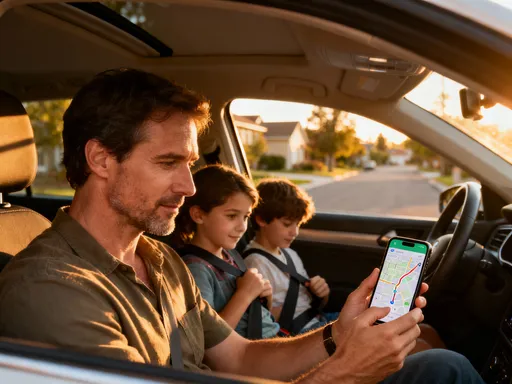
This kind of morning chaos isn’t rare — it’s routine for so many of us. And often, the very device meant to help us stay organized is the one causing the mess. Notifications from five different apps wake you up at 6:03 a.m. with breaking news, weather alerts, and social media updates you didn’t ask for. Your calendar shows two dentist appointments on the same day because you accidentally double-booked on your phone and tablet. Or worse — your navigation app freezes as you’re backing out of the driveway, leaving you stranded with no directions and no time.
The problem isn’t your phone. The problem is how we use it — or more accurately, how we don’t manage it. Most of us treat our phones like digital junk drawers: we throw apps in, download tools we think we’ll use, and never organize them. Over time, that clutter turns into stress. We’re not just losing our phones — we’re losing our peace of mind. But here’s the good news: just like you wouldn’t let your kitchen stay messy forever, you don’t have to live with digital chaos. And the fix isn’t as hard as you think.
Meet Your Phone’s Hidden Superpower: App Automation
What if I told you your phone could do more than just receive messages and play music? What if it could actually help you start your day right — without you lifting a finger? That’s the magic of app automation, and it’s not some futuristic dream. It’s already built into your phone, quietly waiting for you to use it.
Both iPhones and Android devices come with smart features that learn your habits and act on them. On an iPhone, it’s called Shortcuts. On Android, it’s called Routines or Adaptive Suggestions. These tools watch how you use your phone — when you wake up, when you leave for work, when you go to bed — and then they offer to do things for you automatically. For example, if you always turn on Do Not Disturb at 9 p.m., your phone might start doing it for you. If you check the weather every morning, it might start showing it on your lock screen without you asking.
Think of it like having a helpful assistant who knows your routine better than you do. You don’t need to be a tech expert to use it. You don’t need to write code or memorize complicated steps. These features are designed for real people — busy moms, working professionals, anyone who wants to save time and reduce stress. And the best part? They work in the background, so you don’t have to think about them. You just wake up to a calmer, smoother day.
One of my favorite examples is the “Find My Phone” feature — but not the way most people use it. Most of us only remember it when we’ve already lost our phone. But what if you set up a shortcut that makes your phone announce its location when you walk in the door? Or one that pings it automatically when you’re about to leave the house? That’s not magic — that’s smart automation. And once you start using it, you’ll wonder how you ever lived without it.
From “Where’s My Phone?” to “It Found Me”: Real-Life Rescue Stories
Let me tell you about Sarah, a mom of two from Ohio. She used to lose her phone at least once a day — usually under a pile of baby wipes or in the diaper bag. One morning, she was late for a doctor’s appointment because she couldn’t find it, and her son was crying in the back seat. That day, she decided to try something new: she set up a shortcut on her iPhone that says, “Hey Siri, I’m home,” and her phone immediately starts ringing — even if it’s on silent.
Now, whenever she walks in the door, she says the phrase, and within seconds, she knows exactly where her phone is. “It’s like having a little voice that says, ‘I’m right here, Mom,’” she told me. “It’s saved me so much stress.”
Then there’s James, a project manager in Atlanta, who used to get overwhelmed by notifications during meetings. He’d forget to silence his phone, and his screen would light up with emails, texts, and app alerts — embarrassing and distracting. So he created a “Work Mode” routine that turns off all notifications, enables Wi-Fi, and opens his calendar as soon as he arrives at the office. Now, his phone adapts to his day — not the other way around.
And let’s not forget Maria, a frequent traveler from Miami. She used to panic when she landed in a new city, fumbling to turn on offline maps, switch to local time, and find her ride. Now, she has a travel routine that activates the moment her phone detects she’s landed. It turns on airplane mode, switches to silent, opens her ride-share app, and even sends a text to her contact saying, “I’ve landed safely.”
These aren’t tech geniuses — they’re regular people who decided to use their phones in a smarter way. And the results? Less stress, more confidence, and more time to focus on what really matters. That’s the power of app routines: they turn small frustrations into quiet victories.
Building Your First Life-Saving Routine (No Tech Degree Needed)
Now, I know what you might be thinking: “This sounds great, but I’m not tech-savvy. I can barely update my apps. How am I supposed to set up a routine?” I hear you. When I first tried this, I felt the same way. But here’s the truth: creating your first automation is easier than making a grocery list — and way more rewarding.
Let’s walk through a simple one together: a “Good Morning” routine. This will turn off Do Not Disturb, tell you the weather, and play your favorite morning playlist — all with one tap or a simple voice command.
If you’re on an iPhone, open the Shortcuts app (it’s already on your phone — look for the purple icon). Tap the “+” button, then choose “Automation.” Tap “Create Personal Automation,” then scroll down and select “Time of Day.” Set it for when you usually wake up — say, 6:30 a.m. Toggle off “Ask Before Running” so it works automatically.
Now, tap “Add Action.” Search for “Speak Text” and type something like, “Good morning! It’s [current date]. The weather is [current weather]. You’ve got a busy day — but you’ve got this.” Then add another action: “Get Current Weather” and “Play Music.” Choose your favorite upbeat playlist. Save it, and you’re done.
On Android, open the Google app, tap your profile picture, go to “Settings,” then “Google Assistant,” and select “Routines.” Tap “Add Routine,” choose “Morning,” and customize what happens when you say, “Good morning.” You can ask it to read the news, turn on the lights (if you have smart bulbs), or start your coffee maker (if it’s connected).
It might take ten minutes the first time — maybe fifteen if you’re learning as you go. But once it’s set, it works every day. No effort. No stress. Just a gentle, personalized start to your morning. And the best part? You’ll feel like you’ve cracked the code to a calmer life — because you have.
Family Harmony, One App at a Time
Here’s something I’ve learned as a mom and a tech coach: the most powerful use of app routines isn’t just for you — it’s for your family. When one person in the house gets organized, it ripples out to everyone else. And when you use technology to support your family’s rhythm, something beautiful happens: life gets a little quieter, a little kinder, and a lot more connected.
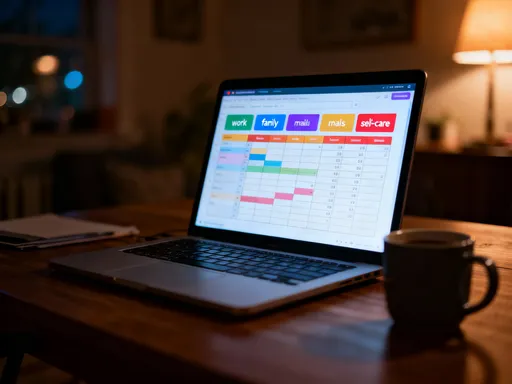
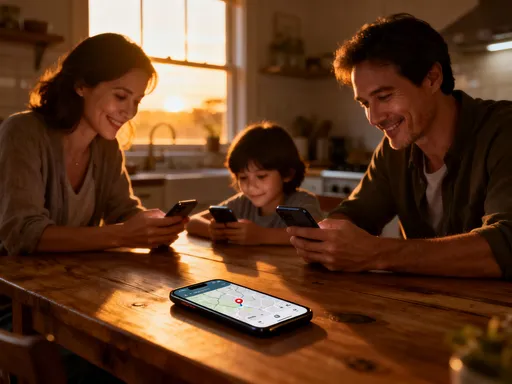
Take shared calendars, for example. How many times have you double-booked because your spouse didn’t see the school pickup reminder? Or your teenager missed a practice because it wasn’t on their phone? By syncing family calendars through Google or iCloud, everyone sees the same schedule in real time. No more guessing. No more last-minute surprises. And no more nagging — because the phone does it for you.
Then there are bedtime routines. I worked with a family who struggled with screen time battles every night. The kids would beg for “just five more minutes,” and the parents would end up yelling. So we set up a “Family Wind Down” routine that turns off all kids’ devices at 8 p.m., dims the smart lights, and plays a calming playlist. The parents get a notification that says, “Kids’ screens off. Time to connect.” Now, that hour before bed is their favorite — no fights, just books, cuddles, and quiet.
And let’s talk about grocery lists. How many times have you driven to the store only to forget the milk — again? Shared shopping lists in apps like Google Keep or Apple Notes update in real time. One person adds eggs, another checks them off when bought. It’s simple, but it removes so much friction. No more “I thought you were getting that!” No more trips back to the store.
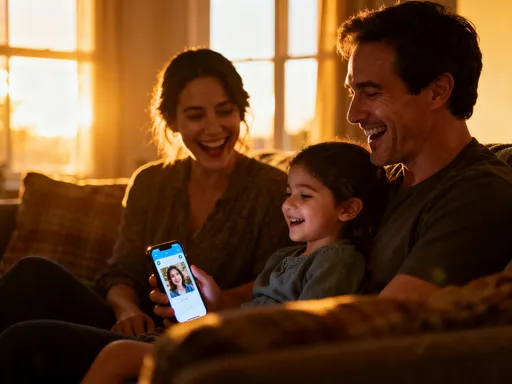
These small changes don’t just save time — they save relationships. They reduce tension, increase trust, and create space for what really matters: being present with the people you love. And that’s the real win — not just a tidy phone, but a happier home.
The Quiet Confidence of a Well-Managed Phone
There’s a deeper benefit to organizing your apps and setting up routines — one that goes beyond convenience. It’s the feeling of quiet confidence that comes from knowing your tools are working for you, not against you. It’s the mental clarity that shows up when you’re not constantly reacting to pings and pop-ups. It’s the space that opens up for creativity, for rest, for being fully present in your own life.
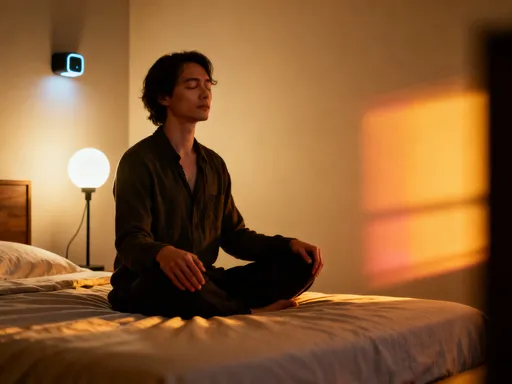
I remember a client who told me, “I didn’t realize how anxious I was until I turned off half my notifications.” She had been living in a state of low-grade stress, always on edge, always ready to respond. After simplifying her apps and setting up a few routines, she said she felt “lighter.” She started journaling again. She took up painting. She even noticed she was sleeping better.
That’s the transformation I’m talking about. It’s not just about finding your phone faster — it’s about finding yourself again. When your digital life is calm, your real life has room to breathe. You’re not distracted by what’s on your screen — you’re focused on what’s in front of you. You’re not chasing your to-do list — you’re living your life.
And here’s the beautiful part: this isn’t about perfection. It’s about intention. It’s about making small, thoughtful choices that add up to a bigger sense of control and peace. You don’t have to automate everything. You don’t have to be a tech wizard. You just have to start — and keep going.
Start Small, Live Big: Making It Last
So where do you begin? Not with a complete overhaul. Not with ten new routines on day one. Start with one. Just one small change that makes your day a little easier. Maybe it’s setting up a “Find My Phone” shortcut. Maybe it’s creating a bedtime mode that silences notifications. Maybe it’s syncing your calendar with your partner.
Do it this week. Take ten minutes. Try it. See how it feels. If it works, keep it. If it doesn’t, tweak it or try something else. This isn’t about getting it right — it’s about getting started. And remember: technology should serve your life, not dominate it. You’re in charge. Your phone is your tool, not your boss.
Over time, those small changes add up. You’ll find yourself less stressed, more focused, and more in tune with your own rhythm. You’ll stop saying, “I can’t find my phone,” and start saying, “I’ve got this.” And that shift — from chaos to calm, from reaction to intention — is where real transformation begins.
You don’t need to be perfect. You don’t need to do it all at once. You just need to begin. One routine. One change. One step toward a life that feels a little lighter, a little clearer, and a lot more like you.