You Won’t Believe What I Found at Chiang Mai’s Weekend Markets
Walking through Chiang Mai’s bustling weekend markets feels like stepping into a living tapestry of culture, color, and craftsmanship. The air hums with the scent of incense and street food, while handmade treasures line every aisle. I didn’t just shop—I discovered stories woven into silk, history carved into wood, and the true soul of Northern Thailand. This isn’t just shopping; it’s a journey of connection and surprise around every corner. Every visit reveals something new: a hand-carved amulet, a naturally dyed textile, or a warm smile from a vendor who remembers your name. These markets are not only places to buy souvenirs but spaces where tradition breathes, creativity thrives, and travelers become part of a much larger story.
The Magic of Chiang Mai’s Market Culture
Chiang Mai’s weekend markets are far more than tourist attractions—they are vibrant expressions of Northern Thai identity, where centuries-old traditions meet modern creativity. Unlike sterile shopping malls or generic souvenir stands, these markets pulse with life, community, and authenticity. Local artisans, many of whom come from multi-generational craft families, set up stalls each week to share their skills in weaving, silverwork, wood carving, and herbal product-making. The result is a sensory-rich environment where every object has meaning, and every purchase supports a real person’s livelihood.
What sets Chiang Mai’s market culture apart is its deep-rooted connection to Lanna heritage—the historical kingdom that once ruled this region. Traditional motifs, natural dyes, and hand tools are still used today, preserving techniques that might otherwise fade in an age of mass production. Visitors often notice how seamlessly old and new coexist: a grandmother demonstrates ancient batik methods beside her granddaughter selling minimalist jewelry inspired by those same patterns. This blend of reverence and innovation makes the experience feel both timeless and refreshingly contemporary.
These markets also serve as important social hubs. Families gather, monks stroll after evening prayers, and neighbors catch up over shared meals from food carts. For many residents, the weekend market is not just a place to sell or shop but a weekly ritual—a celebration of community resilience and cultural pride. Travelers who take the time to pause, observe, and engage often leave with more than just bags full of goods; they carry memories of human connection, quiet moments of understanding, and a deeper appreciation for how culture lives through everyday acts of creation.
Saturday Night Market on Wualai Road: A Sensory Overload
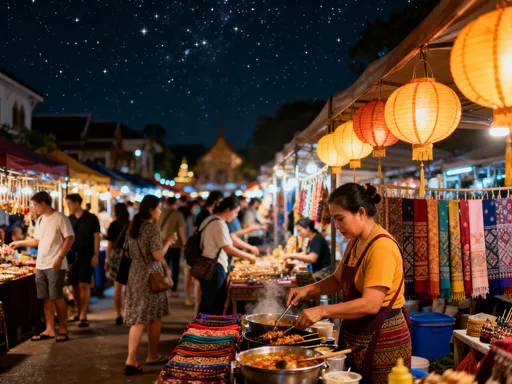
Every Saturday evening, Wualai Road transforms from a quiet residential street into one of Chiang Mai’s most dynamic night markets. Stretching nearly a kilometer, this weekly event draws locals and visitors alike with its dazzling array of handmade goods, live music, and irresistible street food. As the sun sets and lanterns flicker to life, the atmosphere shifts into something magical—a blend of celebration, commerce, and cultural immersion that defines the best of Thai hospitality.
The market is organized into loosely defined zones, making it easy to navigate without losing the sense of adventure. Jewelry lovers will find themselves drawn to the silver section, where skilled silversmiths from nearby Mae Hong Son and Chiang Rai display hand-stamped rings, oxidized pendants, and delicate filigree earrings. Many of these artisans use traditional tools passed down through generations, and some even offer live demonstrations, allowing guests to watch molten silver take shape before their eyes. One popular vendor, known only as Khun Noi by regulars, specializes in tribal-inspired cuffs engraved with protective symbols—each piece unique, never duplicated.
Fashion seekers will appreciate the abundance of hand-dyed textiles, particularly those made with natural indigo. These deep blue scarves, shawls, and tunics are crafted using methods perfected by local hill tribe communities. The dyeing process can take several days, involving multiple dips and sun-drying sessions to achieve the rich, lasting color. Beyond aesthetics, these fabrics tell stories—of women’s cooperatives working to preserve ancestral knowledge, of sustainable farming practices, and of quiet resistance against fast fashion.
But the Wualai Night Market is not just about shopping. Its food stalls are destinations in their own right, serving everything from crispy pork satay to mango sticky rice served in coconut shells. One beloved cart near the middle of the street has been run by the same family for over two decades, famous for its homemade chili jam and freshly grilled river fish wrapped in banana leaves. It’s common to see groups of friends sharing plates on plastic stools, laughing under strings of fairy lights. These culinary moments are as much a part of the experience as any souvenir, offering warmth, flavor, and a taste of daily Thai life.
Sunday Walking Street at Tha Phae Gate: Where Tradition Meets Trend
If Saturday night on Wualai Road is vibrant, the Sunday Walking Street at Tha Phae Gate is nothing short of spectacular. Centered around the ancient city gate, this sprawling market closes a two-kilometer stretch of road to vehicles every weekend, turning it into a pedestrian paradise of art, food, and performance. It’s the largest and most iconic of Chiang Mai’s weekly markets, attracting thousands while maintaining an intimate, neighborhood feel.
The market unfolds in distinct sections, each offering something special. Near the gate itself, visitors will find stalls selling religious artifacts—hand-painted Buddha images, incense holders carved from teak, and cloth prayer flags embroidered with blessings. These items are not mass-produced trinkets but meaningful objects made with care, often by monks or temple-affiliated artisans. For those interested in spiritual culture, these pieces offer a respectful way to bring a piece of Thai devotion home.
Further down the street, the focus shifts to contemporary Thai design. Young entrepreneurs have reimagined traditional crafts for modern lifestyles, creating minimalist wooden watches, ceramic tableware with Lanna patterns, and tote bags printed with vintage-style illustrations of Chiang Mai’s temples. These vendors represent a growing movement of creative Thais who honor their roots while appealing to global tastes. One standout stall features upcycled fabric bags made from old ceremonial robes, each labeled with the temple and occasion where the original cloth was used—an elegant fusion of memory, sustainability, and style.
What truly elevates the Sunday market is its integration of live performance. Along designated stages, local musicians play traditional khantoke ensembles, dancers perform graceful folk routines, and children’s groups showcase regional songs. These performances are not staged for tourists alone—they are community events, often supported by local schools and cultural centers. Watching a group of young girls in embroidered costumes dance under the moonlight, their movements precise and joyful, reminds visitors that culture is not static. It lives, evolves, and is passed on through shared celebration.
Hidden Gems Beyond the Main Aisles
While the central alleys of Chiang Mai’s weekend markets draw the largest crowds, some of the most meaningful discoveries lie off the beaten path. Tucked between food carts and souvenir stalls are small, unassuming booths run by hill tribe collectives, women’s cooperatives, and eco-conscious artisans. These vendors may not have flashy signs or Instagrammable displays, but their products often carry the deepest stories and the most authentic craftsmanship.
One such gem is a family-run stall specializing in bamboo household items—spoons, straws, storage containers, and even children’s toys—all hand-carved and sanded to a smooth finish. The family comes from a remote village in the mountains north of Chiang Mai, where bamboo harvesting is done sustainably, with only mature stalks taken and new shoots protected. Their products are not only beautiful but functional, designed to replace plastic in everyday life. Speaking with the elderly matriarch, who sits quietly weaving bamboo strips into coasters, one senses a lifetime of patience, skill, and quiet dignity.
Another hidden favorite is a small soap-making collective that uses organic ingredients like lemongrass, turmeric, tamarind, and coconut oil. Each bar is hand-cut and air-dried, free from synthetic fragrances or preservatives. The women behind the brand belong to a local initiative that trains rural mothers in sustainable entrepreneurship. Their labels include simple drawings of the ingredients and short notes in both Thai and English, explaining the benefits of each component. A turmeric soap, for instance, is described as “gentle for sensitive skin, brightening like morning light.” These small details make the purchase feel personal, almost like receiving a gift from a friend.
For travelers seeking authenticity, these quieter corners offer a chance to connect with makers on a human level. There’s no pressure to buy, no aggressive sales tactics—just the opportunity to listen, learn, and support meaningful work. And because these vendors often operate on thin margins, even a small purchase can make a real difference. Buying a bamboo spoon or a handmade soap bar isn’t just about acquiring an object; it’s about participating in a cycle of care, sustainability, and cultural preservation.
How to Shop Like a Local: Bargaining Etiquette & Timing Tips
Navigating Chiang Mai’s weekend markets becomes even more rewarding when you understand the unwritten rules of shopping etiquette. While prices are often marked, bargaining is expected in most non-food stalls—but it must be done with respect, kindness, and a smile. Unlike aggressive haggling seen in some tourist spots, the Thai approach values relationship over transaction. A polite negotiation ends not just with a fair price but with mutual goodwill.
The key is to begin with a friendly greeting—“Sawasdee ka” for women, “Sawasdee krap” for men—followed by genuine interest in the product. Ask questions: Where was this made? Is it hand-dyed? How long did it take to carve? This shows respect for the craft and often leads to a warmer interaction. Many vendors appreciate when foreigners take time to understand the process behind their goods, and they may even offer a better price simply because they feel valued.
When it comes to bargaining, a reasonable starting point is offering 20–30 percent below the asking price, especially for higher-ticket items like silver or carved wood. If the seller shakes their head or laughs gently, don’t push further—this is often a polite “no.” On the other hand, if they counter with a number closer to the original, that’s usually the best deal you’ll get. Remember, these are not factory goods; the price reflects real labor, material costs, and livelihood. Paying a fair price is part of responsible tourism.
Timing also plays a crucial role in the market experience. Arriving early—between 4:00 and 5:30 PM—gives you first pick of the best items, especially limited-edition pieces or freshly made food. By 8 PM, popular stalls may be running low, and crowds can make browsing difficult. Conversely, visiting near closing time (around 10:30 PM) can lead to quiet conversations and last-minute discounts, as vendors prefer to carry less home. Either way, patience and presence matter more than speed. Let the market unfold around you. Pause, breathe, and let the rhythm guide your journey.
From Market to Home: Making Your Purchases Last
Bringing home treasures from Chiang Mai’s weekend markets is only the beginning. The true joy comes from preserving and honoring these items long after the trip ends. With proper care, handmade goods can last for years, serving as beautiful reminders of culture, connection, and personal discovery.
For silk and hand-dyed textiles, gentle handling is essential. These fabrics are often dyed with natural pigments that can fade if exposed to direct sunlight or harsh detergents. The best way to clean them is by hand-washing in cool water with a mild, pH-neutral soap. Avoid wringing or twisting—instead, press out excess water and lay flat to dry in the shade. When stored, fold them with tissue paper to prevent creasing, or roll them like scrolls to protect delicate fibers. Displaying a favorite scarf on a padded hanger or framing a small textile sample can turn it into a piece of wall art, blending memory with home decor.
Wooden carvings, often made from teak or rosewood, benefit from occasional maintenance. Dust them gently with a soft cloth, and every few months, apply a thin layer of natural beeswax or mineral oil to preserve their luster and prevent cracking. Avoid placing them in humid bathrooms or near air conditioning vents, where temperature swings can cause warping. A small carved elephant or lotus sculpture placed on a bookshelf or meditation corner can bring a sense of calm and cultural warmth to daily life.
Silver jewelry requires regular polishing to maintain its shine, especially in humid climates. A soft polishing cloth used once a week will prevent tarnish buildup. For deeper cleaning, a mixture of warm water and mild dish soap with a soft toothbrush can gently remove dirt from crevices. Store pieces separately in fabric-lined boxes to avoid scratches. Over time, some tarnish is natural and even adds character—many locals believe that silver darkens in the presence of impurities, making it a silent guardian of health and purity.
When packing fragile items for travel, use soft clothing as padding. Wrap delicate carvings or ceramics in scarves or socks, and place them in the center of your suitcase, surrounded by softer items. For liquids like handmade oils or soaps, seal containers in ziplock bags and pack them in a separate toiletry case to prevent leaks. With thoughtful handling, your market finds can arrive home safely and continue to tell their story for years to come.
Why These Markets Matter: Supporting Sustainable Tourism
Behind every hand-stitched bag, every carved spoon, and every indigo-dyed scarf is a story of resilience, tradition, and hope. When travelers choose to shop at Chiang Mai’s weekend markets, they do more than collect souvenirs—they become part of a larger movement toward sustainable, human-centered tourism. Each purchase supports local families, empowers artisans, and helps preserve cultural practices that might otherwise disappear in the face of globalization.
Mass-produced imports and cheap imitations threaten traditional crafts worldwide. In Thailand, as in many countries, younger generations are often drawn to urban jobs and modern lifestyles, leaving fewer people to carry on ancestral skills. By valuing handmade quality over convenience, visitors help create economic incentives for these traditions to continue. A weaver in a remote village can send her children to school because tourists appreciate her fabric. A silversmith can train an apprentice because demand remains strong. These ripple effects extend far beyond the market stalls.
Moreover, these weekend markets exemplify low-impact tourism at its best. They operate seasonally, use minimal packaging, and rely on local materials and labor. Many vendors incorporate eco-friendly practices—using recycled paper tags, avoiding plastic, and sourcing ingredients from nearby farms. When travelers prioritize these authentic experiences, they encourage the tourism industry to follow suit, shifting focus from quantity to quality, from consumption to connection.
Ultimately, the magic of Chiang Mai’s weekend markets lies not just in what you find, but in what you give back. It’s in the smile exchanged with a vendor, the story shared over a shared meal, the quiet understanding that travel can be meaningful when done with intention. These markets invite us to slow down, to look closely, and to choose with care. They remind us that the best souvenirs are not just things, but transformations—moments of wonder that change how we see the world and our place within it. So the next time you walk through a lantern-lit alley filled with music and fragrance, remember: you’re not just browsing. You’re helping keep culture alive, one thoughtful purchase at a time.