You Won’t Believe These Hidden Viewpoints Hiding Above Hallstatt
Nestled between the serene waters of Lake Hallstatt and the towering Dachstein Alps, Hallstatt, Austria, is postcard-perfect from ground level—but the real magic happens when you go up. I laced up my hiking boots to uncover the most breathtaking viewpoints few tourists see. What I found wasn’t just stunning scenery—it was pure alpine soul, silence, and sky-high moments that redefined my idea of beauty. While most visitors stroll along the lakeside promenade or snap photos from the market square, a quieter, more profound experience awaits those willing to climb. Above the village, the air grows crisper, the light shifts, and the world opens in ways no ground-level view can match. These elevated vantage points offer not only panoramic splendor but also a deeper connection to the rhythm of the mountains, the history of the region, and the stillness that only altitude can provide.
Why Hiking in Hallstatt Beats the Ordinary Tourist Trail
Hallstatt’s charm is undeniable. Its pastel-colored houses cling to the lakeshore, their reflections shimmering in the calm water like something from a dream. The village draws over a million visitors each year, many arriving by ferry or train, eager to wander its narrow lanes, browse handmade crafts, and sip coffee with a lakeside view. Yet, for all its beauty, the typical tourist experience remains confined to the valley floor—flat, predictable, and often crowded. What many don’t realize is that the true essence of Hallstatt isn’t found in its postcard angles, but in the silent heights above.
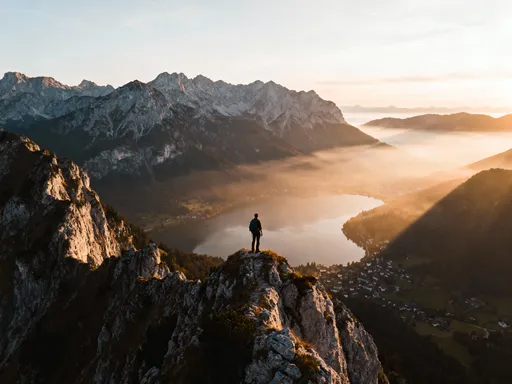
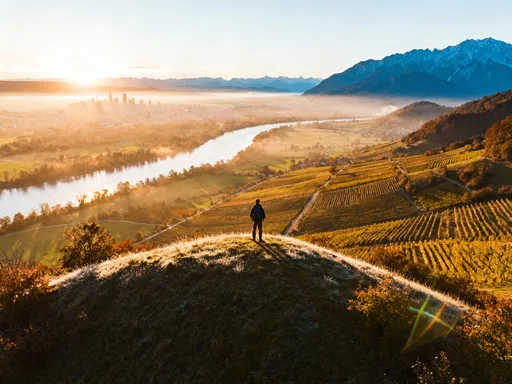
Hiking transforms the way you see this alpine gem. When you ascend, the village recedes into a delicate mosaic of rooftops, bridges, and church spires, framed by water and mountain. The noise of footsteps and chatter fades, replaced by the rustle of pine needles, the distant chime of goat bells, and the whisper of wind through limestone cliffs. This shift in elevation brings more than just a better photo—it brings perspective. You’re no longer just observing Hallstatt; you’re becoming part of its landscape, engaging with it through movement, breath, and attention.
The physical act of climbing—each step upward—deepens the experience. Unlike passive sightseeing, hiking demands presence. You feel the burn in your calves, the rhythm of your breath, the sun warming your back or the sudden coolness when clouds roll in. These sensations ground you in the moment, making the eventual view feel earned rather than given. And what a view it is: a sweeping panorama where lake meets forest meets sky, unobstructed by crowds or barriers. The contrast between the bustling village below and the serene solitude above is striking. While the promenade may be packed by mid-morning, the trails remain peaceful, offering space for reflection and connection with nature.
Moreover, hiking allows access to places untouched by mass tourism. These trails have existed for centuries, originally used by shepherds, woodcutters, and local families moving between mountain pastures. Walking them today is a way of following in footsteps that predate tourism itself. You’re not just seeing Hallstatt—you’re stepping into its living history. This immersive quality is what sets mountain hiking apart from ordinary sightseeing. It’s not about checking a box; it’s about transformation. By choosing to climb, you trade convenience for meaning, comfort for discovery, and observation for participation.
Top 3 Must-See Viewpoints Accessible by Hiking
For those ready to rise above the ordinary, Hallstatt offers several exceptional viewpoints reachable by well-marked trails. Each offers a distinct vantage point, a unique blend of natural beauty, and a sense of discovery that stays with you long after the hike ends. Among the most rewarding are the Hallstatt Skywalk “World Heritage View,” the path to Echernach Alm, and the ascent toward Dachstein Krippenstein—three destinations that showcase the region’s grandeur from different angles and elevations.
The Hallstatt Skywalk “World Heritage View” is perhaps the most accessible yet dramatic of the three. Located just a short climb from the village, this steel platform extends over the edge of a cliff at 360 meters above the lake. From here, the entire village unfolds below like a miniature model, with the deep blue of Lake Hallstatt stretching toward the horizon. The view encompasses not only the village but also the surrounding peaks, including the imposing Dachstein massif. The Skywalk is designed to be safe and family-friendly, with sturdy railings and informative panels about the region’s UNESCO World Heritage status. Hikers can reach it in about 30 to 45 minutes from the market square via a well-maintained stone path with gentle switchbacks. Though it’s one of the more popular spots, arriving early in the morning ensures a peaceful experience. What makes this viewpoint special is not just the height, but the clarity—the way light dances on the water, the symmetry of the village layout, and the sheer verticality of the landscape.
For a more secluded and expansive panorama, the trail to Echernach Alm is a must. This alpine pasture sits at approximately 850 meters above sea level and offers a sweeping, unobstructed view of the entire lake. The hike begins near the Catholic cemetery and follows a forested path that gradually climbs through mixed woodland. After about two to two and a half hours of steady ascent, hikers emerge into an open meadow where wooden huts and grazing cows signal the arrival at the alm. The view from here is nothing short of majestic: the lake curves like a ribbon through the valley, framed by steep forested slopes and distant snow-dusted peaks. Unlike the Skywalk, Echernach Alm feels remote and timeless. On quiet days, you might be the only person there, sharing the space with birds, wildflowers, and the occasional shepherd. The trail is moderately challenging, with consistent elevation gain, but the terrain is stable and well-marked. In summer, the alm sometimes offers simple refreshments—fresh milk, cheese, or herbal tea—served by local families who still use the pastures seasonally.
The most ambitious of the three is the ascent toward Dachstein Krippenstein, a multi-stage journey that rewards hikers with one of the most comprehensive views in the region. While many visitors take the cable car to the Krippenstein plateau, those who hike part of the way—either from the valley or by connecting trails from nearby alpine huts—experience a deeper connection to the mountain. The final approach to the 5 Fingers viewing platform, a claw-like structure extending over a 450-meter drop, is especially thrilling. From this vantage point, the scale of the Dachstein range becomes apparent: glaciers, rock faces, and high-altitude lakes stretch in every direction. The hike to this area typically takes four to five hours from Hallstatt, depending on the route, and includes both forested paths and exposed alpine terrain. It’s best suited for experienced hikers with proper gear and weather awareness. Yet even those who only reach intermediate points, such as the Simony Hut, gain access to breathtaking vistas. The Krippenstein area is not just a viewpoint—it’s a gateway to the high Alps, where the air is thin, the silence profound, and the sense of awe impossible to ignore.
Choosing the Right Trail: Matching Hikes to Your Fitness & Goals
One of the greatest strengths of Hallstatt’s hiking network is its variety. Whether you’re a casual walker or a seasoned mountaineer, there’s a trail that matches your ability and ambition. Understanding the differences between them is key to a safe and satisfying experience. Trails in the Hallstatt region can be broadly categorized into three levels: easy, moderate, and challenging. By aligning your choice with your fitness, time, and goals, you ensure not only enjoyment but also confidence on the path.
Easy hikes are ideal for families, beginners, or those with limited time. These routes typically last under two hours round-trip and involve minimal elevation gain—less than 300 meters. The path to the Hallstatt Skywalk is a prime example. Though it includes some stairs and uneven surfaces, it’s well-paved and clearly marked. These trails often follow old cart paths or forest roads, making them accessible even in light rain. They’re perfect for early risers who want a peaceful morning view without a full-day commitment. Because they require no special equipment beyond comfortable shoes, they’re also great for travelers who didn’t come prepared for serious hiking.
Moderate hikes, such as the route to Echernach Alm, demand more effort but offer greater rewards. These usually take between three and four hours and involve elevation gains of 500 to 800 meters. The terrain becomes more varied—steep inclines, rocky sections, and occasional tree roots—but remains safe for confident hikers. These trails often pass through shaded forests and open meadows, providing natural breaks and scenic variety. They’re ideal for those who want a full morning or afternoon adventure without extreme exertion. Because they lead to less-visited areas, they offer a stronger sense of solitude and immersion. Hikers should be in decent physical condition and carry water, snacks, and a light rain jacket. These trails are especially rewarding in late spring and summer when wildflowers bloom and the alpine pastures are green.
Challenging hikes, like the full ascent toward Dachstein Krippenstein, are for experienced outdoor enthusiasts. These routes can take five hours or more and involve steep climbs, exposed sections, and variable weather conditions. Some parts may require basic navigation skills or the use of fixed cables for support. Proper hiking boots, layered clothing, and a detailed map or GPS device are essential. These hikes are not recommended for children or those with health concerns. However, for those prepared, the experience is unparalleled. The sense of accomplishment, the panoramic views, and the connection to the high mountain environment make these journeys deeply memorable. It’s important to check weather forecasts before departure, as fog or rain can make alpine trails dangerous. Many hikers choose to break up these longer routes by staying overnight in a mountain hut, turning a day hike into a multi-day retreat.
Essential Gear & Packing Tips for Hallstatt’s Mountain Trails
No matter the difficulty of your chosen trail, proper preparation makes all the difference. The alpine environment is beautiful but unpredictable. Weather can change rapidly—sunshine one moment, mist or rain the next. Trails that are dry in the morning may become slippery by afternoon. Being equipped ensures safety, comfort, and the ability to fully enjoy the experience. While it’s tempting to travel light, a few key items should never be left behind.
Footwear is the foundation of any successful hike. Sturdy hiking boots with good ankle support and a grippy sole are essential, even for shorter trails. The paths in Hallstatt often include loose gravel, wet stones, or tree roots, where regular sneakers can be dangerous. Make sure your boots are broken in before your trip to avoid blisters. For longer hikes, moisture-wicking socks made of wool or synthetic material help keep feet dry and comfortable.
Layering is another critical strategy. Alpine weather varies dramatically with elevation. A warm base layer, a mid-layer like a fleece jacket, and a waterproof outer shell allow you to adjust to changing conditions. Even in summer, temperatures at higher altitudes can drop below 10°C, especially in the shade or with wind. A hat and gloves, though they take up little space, can be lifesavers on an unexpectedly chilly summit.
Hydration and nutrition are equally important. Carry at least one liter of water per person for a half-day hike, and more for full-day excursions. Dehydration can sneak up quickly, especially at altitude. Pack high-energy snacks like nuts, dried fruit, energy bars, or sandwiches. Some mountain huts sell drinks and simple food, but availability depends on the season and staffing, so it’s unwise to rely on them.
Navigation tools are a must, even on well-marked trails. A physical map or a downloaded offline version on your phone helps prevent getting lost, especially in foggy conditions where trail markers may be hard to see. The Austrian Alpine Club maintains excellent signage, with colored markers indicating route difficulty and direction. Still, having a backup plan is wise. A fully charged phone, a portable charger, and a small first-aid kit complete the essentials. Don’t forget sunscreen and sunglasses—UV exposure is stronger at high elevations, and the glare off snow or water can be intense.
Timing Your Hike: Sunrise, Midday, or Sunset?
When you hike can be as important as where you hike. The quality of light, the number of people on the trail, and the overall atmosphere change dramatically throughout the day. Choosing the right time enhances both the visual experience and the emotional impact of your journey. Whether you seek solitude, perfect photography conditions, or simply a comfortable pace, timing your hike strategically makes a significant difference.
Sunrise is perhaps the most magical time to be on the trail. Starting early—often before 6 a.m. in summer—means you’ll reach the viewpoint as the first golden light touches the peaks. From above, you’ll watch the shadows retreat from the valley, the lake turn from silver to blue, and the village slowly wake up. The air is still, the birds are singing, and the world feels fresh. Early hikes also guarantee fewer people. While the lakeside may fill with tour groups by 9 a.m., the trails remain quiet in the morning hours. This is ideal for those seeking peace or wanting to capture unspoiled photos. The downside is the need to wake up early and possibly hike in the dark for the first stretch, so a headlamp is recommended.
Midday offers clarity and visibility. With the sun high in the sky, distant peaks and fine details of the landscape become sharply defined. This is the best time for panoramic views, especially on clear days when the atmosphere is crisp. Trails are more active now, but that doesn’t mean they’re crowded. Unlike tourist sites, mountain paths rarely feel congested. Midday is also safer in terms of navigation—no fog, no shadows obscuring the path. However, the light can be harsh for photography, and temperatures may rise, making the climb more tiring. It’s a good choice for families or those who prefer a relaxed start to the day.
Sunset brings drama. As the sun dips behind the western peaks, the entire valley is bathed in warm, golden light. The lake glows, the mountains cast long shadows, and the sky often fills with color. This is a favorite time for photographers and romantics alike. Trails are quieter again in the late afternoon, though popular viewpoints like the Skywalk may attract a few sunset chasers. Hiking down after dark requires preparation—headlamps, knowledge of the route, and caution on uneven terrain. But for those who plan ahead, ending a hike with a sunset view is a deeply rewarding way to close the day.
Beyond the View: Flora, Culture, and Hidden Encounters Along the Trail
The summit is a destination, but the journey holds its own treasures. Between the switchbacks and rest stops, hikers encounter a living world that few tourists ever notice. The trails around Hallstatt are not just paths through nature—they are corridors of culture, ecology, and quiet wonder. Along the way, you’ll see alpine roses blooming in June, edelweiss clinging to rocky crevices, and gentians adding splashes of deep blue to the green meadows. These flowers, some of them protected species, thrive in the harsh mountain climate and add delicate beauty to the rugged landscape.
Wildlife is another subtle joy. Mountain goats, sure-footed and curious, often graze near the higher trails. You might hear the soft clinking of their bells before seeing them. Marmots whistle from rocky outcrops, and birds of prey circle above the cliffs. Even insects play a role—the hum of bees among the flowers, the flutter of alpine butterflies. These small moments of connection deepen the sense of being in a wild, self-sustaining ecosystem.
Human presence is also felt in quiet ways. Wooden shepherd huts, some centuries old, stand in the pastures, their roofs weighted with stones to withstand the wind. These were once shelters for herders who brought their flocks up each summer—a tradition that continues in some form today. You might pass a small chapel tucked into the woods, its door slightly ajar, candles flickering inside. These sacred spaces, often maintained by local families, reflect a deep-rooted spirituality tied to the land.
The trails themselves are part of Hallstatt’s cultural heritage. For generations, locals have used these paths to move between the valley and the high pastures, to gather wood, or to visit neighboring villages. Walking them is a way of honoring that history. Signage along some routes includes historical notes, explaining how certain paths were used in the past. This blend of natural beauty and cultural continuity gives the hikes a depth that goes beyond scenery. It’s not just about seeing a view—it’s about understanding a way of life shaped by mountains, seasons, and resilience.
How These Viewpoints Change Your Understanding of Hallstatt
Standing atop a mountain and looking down at Hallstatt, something shifts. The village, so charming from the ground, takes on a new meaning from above. It no longer seems like a tourist attraction, but a place of balance—a community nestled in harmony with its environment. The tight cluster of houses, the careful use of space, the way the church spire points skyward—all of it speaks of adaptation, respect, and endurance. This elevated perspective changes not just what you see, but how you feel about what you see.
Hiking to these viewpoints transforms sightseeing into a personal journey. You’re no longer a passive observer; you’ve earned your view. The physical effort, the changing weather, the moments of quiet along the trail—all of it adds layers of meaning. You begin to appreciate not just the beauty of Hallstatt, but the forces that shaped it: the mountains that protect it, the lake that sustains it, the generations that built it. This deeper understanding fosters a sense of gratitude and connection that no photograph or guided tour can replicate.
Moreover, these high vantage points remind us of the value of slowing down and looking up—literally and figuratively. In a world of fast travel and instant images, hiking demands patience, presence, and effort. It teaches us that the most meaningful experiences often lie off the beaten path, above the noise, beyond the crowd. The silence of the mountains, the vastness of the view, the rhythm of your breath—these are the moments that stay with you long after you’ve returned to everyday life.
Ultimately, the hidden viewpoints above Hallstatt are more than scenic spots—they are invitations. They invite us to move, to explore, to see with new eyes. They remind us that beauty is not just something to capture, but something to feel, to earn, to carry within. For the 30- to 55-year-old traveler—someone who values both comfort and meaning, beauty and depth—these hikes offer a rare balance. They are accessible enough for a well-planned day trip, yet profound enough to leave a lasting impression. So the next time you visit Hallstatt, don’t just walk its streets. Rise above them. Lace up your boots, choose your trail, and discover the alpine soul waiting in the heights.