You Won’t Believe These Hidden Gems in Galway’s Iconic Buildings
Nestled on Ireland’s wild west coast, Galway pulses with charm, culture, and centuries-old architecture that tells the story of its resilient spirit. Wandering its cobblestone streets, I was captivated by how landmark buildings here aren’t just stone and timber—they’re living pieces of history, buzzing with music, art, and local pride. From medieval churches to vibrant cultural hubs, Galway’s structures hold secrets waiting to be discovered. More than picturesque backdrops for travel photos, these buildings breathe with the rhythm of daily life, echoing stories of traders, monks, artists, and families who shaped this city across generations. To walk through Galway is to step into a layered narrative where the past isn’t preserved behind glass—it’s part of the conversation.
The Heartbeat of Galway: A City Built on Stories
Galway is not a museum frozen in time; it is a city that remembers. Perched where the River Corrib meets Galway Bay, it has spent over 800 years shaped by Atlantic winds, Irish resilience, and an enduring love for expression—be it through music, language, or craftsmanship. The city’s architecture stands as a testament to its layered evolution, from a modest Norman settlement to a bustling port, and now a UNESCO City of Film and a beacon of Irish culture. Every painted shopfront, every arched doorway, and every weathered stone wall tells a story of survival, adaptation, and pride. This is a place where history doesn’t live in textbooks—it resonates in the hum of a fiddle on Eyre Square, the chime of church bells at dusk, and the laughter spilling from centuries-old pubs.
The city’s unique identity is rooted in its geographic and cultural crossroads. As one of Ireland’s westernmost urban centers, Galway long served as a gateway between the Irish interior and the wider world. Spanish, French, and English traders once moored their ships along its quays, exchanging wine, salt, and cloth for Irish wool and hides. The architectural legacy of that era remains visible in the city’s layout and surviving structures, where medieval foundations support modern life. But Galway is more than a relic of maritime commerce—it’s a living cultural hub where the Irish language thrives, traditional music sessions are spontaneous, and community events fill the calendar year-round. The buildings that house these traditions are not merely containers; they are participants in the city’s ongoing story.
What sets Galway apart is how seamlessly its past is woven into the present. A 14th-century church hosts contemporary choirs. A 19th-century town hall stages avant-garde theater. A medieval hall lies beneath a modern boutique, revealed through a glass floor panel. These aren’t staged recreations for tourists—they are authentic layers of urban life, respected and maintained by a community that values continuity. For the thoughtful traveler, especially one drawn to authenticity and depth, Galway offers more than sightseeing; it offers connection. To explore its iconic buildings is to understand not just how the city was built, but how it continues to rebuild itself with every generation.
Spanish Arch & The Long Walk: Where History Meets the River
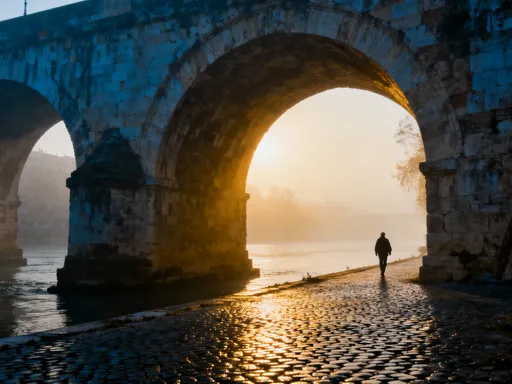
Standing at the edge of the River Corrib, the Spanish Arch is one of Galway’s most photographed landmarks—and for good reason. Built around 1584 as part of the city’s defensive walls, this stone arch once served as a gateway for merchants transporting goods between the docks and the city markets. Despite its name, the arch has no direct link to Spain; rather, it reflects Galway’s historic trade ties with Spanish ports, particularly in the wine and fish industries. Over time, the structure became symbolic of the city’s maritime golden age, a period when Galway’s wealth rivaled that of Cork or Dublin. Today, the arch is a quiet monument to that legacy, standing as the last visible remnant of the original city walls that once encircled the medieval settlement.
The area surrounding the Spanish Arch, known as The Long Walk, is a peaceful riverside promenade perfect for reflection or a gentle morning stroll. Lined with benches and native plants, it offers uninterrupted views of the Corrib’s swift currents and the changing sky over the bay. On clear days, the water mirrors the stone façades of old warehouses, creating a serene tableau that feels timeless. Interpretive panels along the walk provide concise historical context, detailing the arch’s construction, the city’s trading past, and the lives of the families who lived and worked nearby. These displays are thoughtfully designed—informative without overwhelming, accessible to casual visitors and history enthusiasts alike.
What makes this site especially meaningful is its dual nature: it is both a historical artifact and a living part of the city’s daily rhythm. Fishermen still cast lines from the riverbank. Families gather on weekends to feed ducks or enjoy a picnic. Artists set up easels to capture the play of light on water and stone. The Spanish Arch does not stand behind a fence or ticket booth; it is open, accessible, and integrated into the city’s fabric. This accessibility is no accident—it reflects Galway’s broader philosophy of heritage: preservation without isolation. Visitors are encouraged to walk through the arch, to pause, to listen to the river, and to imagine the carts, merchants, and sailors who once passed this way. It is a place where history feels immediate, not distant.
For those seeking a moment of calm amidst a busy itinerary, The Long Walk at sunrise or dusk offers a rare blend of beauty and introspection. The soft glow of streetlamps on wet cobblestones, the distant cry of gulls, and the gentle rush of water create a sensory experience that lingers long after departure. It’s also an ideal starting point for understanding Galway’s relationship with the sea—a connection that has defined its economy, culture, and identity for centuries. Whether you’re drawn by history, nature, or simply the need for a quiet pause, the Spanish Arch and its surroundings offer a gentle invitation to slow down and listen to the city’s quietest, deepest voice.
St. Nicholas’ Collegiate Church: A Spiritual Anchor Through Centuries
Rising above Galway’s narrow streets, St. Nicholas’ Collegiate Church is a masterpiece of medieval architecture and a living witness to the city’s spiritual and civic life. Founded in 1320 by the town’s mayor and citizens, it is one of the largest and best-preserved medieval parish churches in Ireland still in regular use. Dedicated to the patron saint of mariners, the church reflects Galway’s deep ties to the sea and its mercantile past. Its towering nave, pointed arches, and intricate stonework speak to the craftsmanship of a time when faith and community were inseparable. Over the centuries, the church has weathered religious upheavals, wars, and natural decay, yet it remains a place of worship, gathering, and quiet reverence.
Visitors stepping inside are immediately struck by the sense of stillness and continuity. Sunlight filters through stained-glass windows depicting biblical scenes and local saints, casting colored patterns on ancient flagstones worn smooth by centuries of footsteps. Stone carvings—some religious, others whimsical—adorn the walls, including a famous misericord with a carving of a cat playing a violin, a playful nod to the city’s enduring love for music. The church houses several notable features, including a 15th-century baptismal font, a restored organ used in weekly services, and a collection of inscribed memorials honoring Galway’s historic families. One of the most moving details is a small plaque dedicated to Christopher Columbus, who is said to have prayed here during a visit in the late 15th century—though this claim remains part of local lore rather than documented fact.
What makes St. Nicholas’ so powerful is its authenticity. Unlike many historic churches turned into museums or performance spaces, this one remains fully active. Sunday services draw both locals and visitors, and choral evensong is held regularly, filling the vaulted space with harmonies that echo through the centuries. Guided tours, available during daylight hours, offer insight into the church’s architecture, symbolism, and role in Galway’s development. Knowledgeable volunteers share stories of past rectors, wartime repairs, and community efforts to preserve the building’s integrity. These tours do not rush; they invite contemplation, allowing time to absorb the weight of history in the quiet corners and shadowed chapels.
For families and individuals alike, St. Nicholas’ offers a rare opportunity to experience history as something lived, not just observed. Children might marvel at the carvings, while adults find solace in the peaceful atmosphere. The church also hosts seasonal events—Christmas concerts, heritage days, and interfaith gatherings—that strengthen its role as a community anchor. In a world that often feels transient, St. Nicholas’ stands as a reminder of endurance, faith, and the quiet power of continuity. To visit is not merely to see an old building, but to participate in a tradition that has shaped Galway’s soul for over 700 years.
Town Hall Theatre: When Civic Pride Becomes Art
At the heart of Galway’s cultural life stands the Town Hall Theatre, a striking 19th-century building that embodies the city’s commitment to public service and artistic expression. Originally constructed in 1879 as a municipal center, the building housed the city council, courts, and public offices. Its French-inspired façade, with ornate stonework, arched windows, and a grand central clock tower, reflects the civic pride of an era when Galway sought to present itself as a modern, progressive city. Though the administrative functions have since moved, the building was carefully restored and reopened in 1995 as a premier performance venue, ensuring that its grandeur would continue to serve the public—now through the power of the arts.
Inside, the transformation is both respectful and inspired. The original grand staircase, marble columns, and stained-glass skylights have been preserved, creating an atmosphere of elegance and history. Yet the interior has been adapted with modern acoustics, lighting, and seating to meet the demands of contemporary theater, dance, and music. The main auditorium hosts a diverse program—from traditional Irish storytelling and folk concerts to experimental plays and international collaborations. During the Galway International Arts Festival, the theater becomes a focal point of activity, drawing performers and audiences from around the world. Its smaller studio space offers a more intimate setting for emerging artists, community projects, and educational workshops.
What makes the Town Hall Theatre remarkable is how it balances preservation with purpose. The building is not a static monument; it is a working space where history supports innovation. School groups tour the lobby to learn about the building’s past, while local drama clubs rehearse in its rehearsal rooms. The café in the atrium buzzes with conversation before and after shows, creating a social hub where generations mingle. Staff members often share anecdotes about the building’s past—ghost stories, political debates, and even royal visits—adding a personal touch to the visitor experience.
For families and older adults especially, the theater represents the best of community-based culture. Ticket prices remain accessible, and outreach programs ensure that performances reach schools, care homes, and rural areas. The building’s very existence sends a message: that art is not a luxury, but a public good. By repurposing a historic civic structure into a vibrant arts center, Galway has shown how cities can honor their past while investing in their future. To attend a performance here is to feel part of something larger—a living tradition of storytelling, creativity, and shared experience that defines the city’s character.
The Hall of the Red Earl: Uncovering Medieval Power
Beneath the modern shops and cafés of Galway’s市中心 (city center), a remarkable archaeological treasure lies hidden in plain sight: the ruins of the Hall of the Red Earl. Dating back to the late 13th century, this structure is believed to have been the residence of the de Burgo family, Norman lords who played a pivotal role in Galway’s early development. Named after Richard de Burgo, known as the “Red Earl” for his fiery hair, the hall was a center of political and social power during the city’s formative years. Though long buried and forgotten, its foundations were rediscovered in 1992 during construction work on a new shopping center. Instead of being reburied or removed, the ruins were preserved in situ, now visible through glass panels set into the floor of a ground-floor retail unit on Shop Street.
The experience of standing above these ancient stones is nothing short of surreal. Visitors can look down and see the original flagstones, hearth, and wall foundations, carefully protected beneath a climate-controlled enclosure. Informational displays explain the hall’s layout, its historical significance, and the excavation process, making it accessible even to those with little background in archaeology. The site offers a rare, tangible connection to Galway’s medieval origins—a time when the city was little more than a fortified settlement on the edge of the known world. The discovery of pottery, animal bones, and personal items during the dig further enriches the story, offering glimpses into daily life over 700 years ago.
What makes the Hall of the Red Earl so compelling is its integration into everyday life. Unlike a remote ruin or a fenced-off dig site, this one exists within the flow of the city. Shoppers pause mid-step to peer into the past. Children press their hands against the glass, imagining knights and feasts. Tour guides pause here to explain how modern Galway grew from such humble beginnings. The preservation effort reflects a broader commitment to urban archaeology—ensuring that development does not erase history, but reveals it. The site is a quiet reminder that beneath every modern city lies a deeper story, waiting to be uncovered.
For families and curious travelers, the Hall of the Red Earl offers a unique educational moment—one that doesn’t require a museum visit or a guided tour to appreciate. It’s free, accessible, and seamlessly woven into the urban experience. It also raises important questions about how cities balance growth with heritage. Galway’s choice to preserve and display the ruins, rather than conceal them, speaks to a community that values transparency with its past. In doing so, it invites everyone—locals and visitors alike—to become stewards of history, even in the most unexpected places.
From Ruins to Revival: How Galway Preserves Its Soul
Galway’s ability to honor its past while embracing the future is not accidental—it is the result of deliberate, community-driven conservation efforts. Across the city, historic buildings have been thoughtfully restored, repurposed, and maintained through a combination of government programs, nonprofit initiatives, and local advocacy. The Galway City Heritage Office, in partnership with national agencies like the Office of Public Works, has played a key role in funding restorations, conducting surveys, and promoting awareness. But equally important are the grassroots efforts—neighborhood groups, historical societies, and individual homeowners—who take pride in maintaining traditional façades, restoring sash windows, and using authentic materials in repairs.
One of the most successful strategies has been adaptive reuse—the practice of transforming old buildings for new purposes without erasing their character. Former warehouses now house art galleries. Old schools have become community centers. Disused churches host music festivals or cultural exhibitions. These projects are not about nostalgia; they are about sustainability. By giving historic structures new life, Galway reduces the need for new construction, conserves resources, and maintains the city’s unique aesthetic. The result is a streetscape that feels organic and human-scaled, not dictated by commercial trends or generic development.
Equally vital is the city’s approach to tourism. While Galway welcomes hundreds of thousands of visitors each year, it does so with an emphasis on respectful engagement. Signage at sensitive sites encourages quiet behavior, proper disposal of litter, and awareness of local customs. Educational programs in schools teach children about heritage, fostering a sense of ownership from a young age. Events like European Heritage Days open private historic homes to the public, creating opportunities for dialogue and appreciation. The message is clear: preservation is not the job of experts alone—it belongs to everyone.
For the thoughtful traveler, this means more than just following rules—it means engaging with intention. Choosing to visit a locally run café in a restored townhouse, attending a traditional music session in a centuries-old pub, or supporting artisans who use historic techniques—all of these choices contribute to sustainable preservation. Galway shows that heritage is not a burden, but a resource: one that enriches daily life, strengthens community bonds, and offers lasting value to both residents and guests. The city’s soul is not locked in the past; it is actively being rebuilt, one careful restoration at a time.
Why These Landmarks Matter Beyond the Postcard
It’s easy to admire Galway’s buildings from a distance—to snap a photo of the Spanish Arch at sunset or admire the stonework of St. Nicholas’ from the sidewalk. But true appreciation goes deeper. These structures are not merely scenic backdrops; they are anchors of identity, continuity, and belonging. They remind residents and visitors alike of the generations who came before, the struggles they endured, and the culture they nurtured. In a world of rapid change and digital transience, places like Galway offer something rare: a sense of rootedness.
The value of these landmarks extends beyond architecture. They are tied to language, music, and community rituals that define Irish life. The same streets where medieval merchants once bargained now host festivals celebrating the Irish language. The same squares where political proclamations were read now echo with traditional reels and jigs. The buildings house not just memories, but living traditions—ones that evolve without losing their essence. To understand Galway is to see its buildings not as static relics, but as stages for ongoing cultural expression.
For the 30- to 55-year-old woman traveling for enrichment, connection, and meaning, Galway offers a deeply rewarding experience. It invites a slower pace, a more reflective gaze, and a willingness to listen. It rewards curiosity with hidden details—a carved gargoyle, a whispered legend, a spontaneous concert in a courtyard. It reminds us that the most meaningful journeys are not just about where we go, but how we see. By looking beyond the surface, we begin to understand not just a place, but the people who call it home.
As you walk through Galway’s streets, let the buildings speak to you. Feel the cool stone of the Spanish Arch, listen to the choir in St. Nicholas’, pause above the ruins of the Red Earl’s Hall. Let these places remind you of the power of continuity, the beauty of resilience, and the importance of stewardship. Travel with respect. Engage with curiosity. Carry forward the stories you discover. Because in preserving the past, we also shape the future—one thoughtful step, one mindful visit, at a time.