Hiking Through the Heart of Osaka’s Urban Wilds
You know that feeling when you think cities are all concrete and crowds—until you stumble upon hidden trails weaving through green valleys and buzzing commercial districts? That’s Osaka. I never expected to find hiking paths that lead straight from mountain views into lively shopping arcades. This is insane: urban energy meets nature’s calm in the most unexpected ways. Let me take you through how Osaka blends outdoor adventure with city life like nowhere else.
Osaka’s Unique Urban-Nature Balance
At first glance, Osaka appears as a relentless sprawl of neon signs, high-speed trains, and towering buildings. Yet just beyond the city's bustling core lies a network of green corridors that wind through forested hills, riverbanks, and quiet shrines. What sets Osaka apart is not just the presence of nature, but how seamlessly it integrates with daily urban life. Unlike many global cities where nature feels like an afterthought, Osaka treats the outdoors as an essential part of its rhythm. Residents don’t need to travel hours to escape—the mountains are within reach, often accessible within 30 minutes by public transit.
The city’s geographical position plays a crucial role in this balance. Nestled between the steep slopes of the Ikoma and Kongō mountain ranges to the east and the Osaka Bay to the west, the region naturally channels movement between elevated green spaces and lowland urban zones. These mountains aren’t distant backdrops; they form the eastern boundary of the metropolis, serving as both a physical and psychological threshold between city intensity and forest serenity. Rivers like the Yamato and the Ajigawa carve through the landscape, offering additional green arteries for walking and cycling.
For locals, especially women in their 30s to 50s who manage households and often seek rejuvenation amid busy routines, these natural spaces provide more than recreation—they offer mental reset. A morning hike can clear the mind before returning to family responsibilities. A weekend walk in the hills becomes a ritual of self-care, not extravagance. The Japanese concept of sanrin-yoku, or forest bathing, resonates deeply here, even if not formally practiced. Simply walking beneath a canopy of trees, hearing birdsong instead of traffic, delivers a quiet kind of healing.
What’s remarkable is how this access is democratized. You don’t need a car, a guide, or special equipment. Trails begin at train stations, temple gates, or park entrances, often marked with clear signage in Japanese and English. The integration isn’t accidental—it reflects decades of urban planning that prioritized green connectivity. Parks like Expo ’70 Commemorative Park in Suita or Nagai Park in southern Osaka serve as green lungs, but the real magic happens where city infrastructure gives way to footpaths that climb into wooded hills.
Top Hiking Trails Near Commercial Hubs
One of the most accessible and rewarding trails begins at Ikoma Station, located on the Kintetsu Line between Osaka and Nara. From the station, a cable car ascends partway up Mount Ikoma, but the more immersive experience is to hike the 40-minute path that switchbacks through dense foliage. The trail is well-maintained, shaded, and suitable for beginners and families. At the summit, panoramic views stretch across the Kansai region, with Osaka’s skyline visible in the distance. What makes this route extraordinary is its dual endpoint: descend on the Osaka side, and within minutes you’re in the heart of Namba, one of Japan’s most energetic shopping and dining districts.
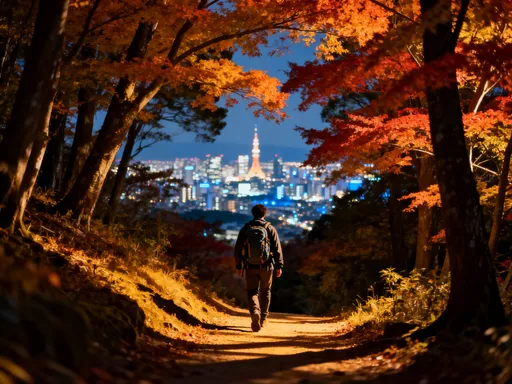
Another favorite among locals is the Minoo Park trail, reachable via a 30-minute train ride from Umeda. The path begins at Minoo Station and follows a gently rising riverside walk, flanked by towering ginkgo and maple trees. In autumn, the foliage turns brilliant shades of red and gold, drawing visitors from across the region. After about 25 minutes, hikers reach the Minoo Waterfall, a 33-meter cascade surrounded by moss-covered rocks and wooden viewing platforms. The atmosphere is reverent, peaceful—yet just steps away, the commercial strip comes alive with small eateries, souvenir shops, and vendors selling locally made maple syrup, a regional specialty. It’s common to see women in light hiking gear pausing for tea and sweets after their walk, blending relaxation with indulgence.
Less known but equally rewarding are the trails around Abeno and Tsuruhashi. Abeno Harukas, Japan’s tallest building, sits in a district that also offers quiet footpaths leading into the foothills. A moderate 45-minute hike from Tennoji Park takes you through shaded groves and past small Shinto shrines tucked into the hillsides. The route connects to the larger Yamato River Green Road, a linear park that follows the river’s edge for several kilometers. Meanwhile, Tsuruhashi, famous for its Korean market, is also a gateway to the eastern hills. A gentle climb from the station leads to residential areas with surprising pockets of green, offering views back over the city and a sense of quiet detachment from the market’s bustle below.
Each of these trails demonstrates a key principle: nature in Osaka is not isolated. It’s embedded within the fabric of the city, designed to be part of everyday life. Whether you’re seeking a 20-minute forest stroll or a two-hour ascent, there’s a path that fits your pace—and likely ends near a place to rest, eat, or shop.
From Trailhead to Shopping Streets: The Seamless Transition
Imagine catching your breath at the top of a forested ridge, the city spread out below like a glittering map, then descending a stone staircase only to emerge at a subway entrance. Moments later, you’re walking through Dotonbori, where the scent of takoyaki fills the air and giant electronic billboards pulse with color. This jarring yet harmonious shift is part of what makes Osaka’s hiking culture so unique. The contrast isn’t disorienting—it’s energizing.
After a morning hike up Mount Ikoma, many visitors follow the path down to Osaka Abenobashi Station, which opens directly into Abeno Harukas, a massive complex housing a department store, art museum, and observation deck. It’s entirely possible to go from silent woods to a high-end cosmetics counter in under an hour. There’s a symbolic satisfaction in this transition: physical effort precedes pleasure. You’ve earned that matcha parfait or linen blouse from a local designer. The hike becomes a prelude to indulgence, making the shopping experience feel more intentional, less impulsive.
Similarly, the walk from Minoo Park to the town center feels like moving through layers of experience. You begin in near-silence, listening to water and wind. Then, gradually, the sounds of human activity return—the clink of teacups, laughter from a family picnic, the sizzle of food on a grill. The maple syrup shops that line the path sell jars of thick, amber-colored syrup made from sap collected in the surrounding forests. Many visitors buy a small bottle as a souvenir, a tangible reminder of the natural world they’ve just walked through.
This fluid movement between nature and commerce reflects a deeper cultural rhythm. In Japan, balance is valued—between work and rest, effort and reward, solitude and community. Osaka’s hiking trails don’t just provide exercise; they structure the day in a way that feels organic and fulfilling. For women managing households, this kind of balanced experience is rare and precious. It’s not about escaping life, but enriching it.
Why This Blend Enhances the Travel Experience
The combination of physical activity and urban engagement does more than fill a day—it transforms how we experience both. Hiking activates the body and calms the mind, lowering stress hormones and increasing endorphins. When this is followed by shopping or dining, the experience becomes more mindful. You’re not scrolling through racks out of boredom; you’re choosing with clarity and appreciation. The same applies to food. A bowl of ramen after a two-hour walk tastes richer, more satisfying—not just because you’re hungry, but because you’ve created space for enjoyment.
Psychologically, this sequence mirrors the Japanese aesthetic principle of ma, or negative space. The hike serves as the pause, the silence between notes, allowing the city experience to resonate more deeply. Without that contrast, urban stimulation can feel overwhelming. With it, the city becomes vibrant rather than chaotic.
For travelers, especially those in their 30s to 55, this blend offers a sustainable model of tourism. It avoids the exhaustion of nonstop sightseeing while preventing the guilt of pure indulgence. You move, you rest, you explore, you enjoy—each element supporting the next. It’s a rhythm that aligns with the values of many women in this age group: practicality, balance, and meaningful connection.
Moreover, this kind of travel fosters a deeper relationship with the destination. You’re not just observing Osaka; you’re moving through it, feeling its textures, its pace, its contrasts. You begin to understand how locals live—not in separation from nature, but in conversation with it. The city doesn’t dominate the landscape; it coexists with it.
Practical Tips for Hikers: Timing, Transport, and Gear
Planning a hike in Osaka’s urban wilds requires minimal preparation, but a few smart choices can greatly enhance comfort and safety. First, consider timing. Summer months bring high humidity and temperatures, so early morning or late afternoon hikes are ideal. Spring and autumn offer the most pleasant conditions, with mild temperatures and seasonal beauty—cherry blossoms in April, vibrant foliage in November.
Public transportation is the easiest way to reach trailheads. Most major trails are accessible within an hour of central Osaka via subway or private rail lines. Use IC cards like ICOCA or SUICA for seamless transfers. Stations near trailheads often have lockers where you can store larger bags, though a lightweight backpack is usually sufficient. Always check train schedules in advance, especially for return trips, as service may thin out in the evenings.
Footwear is essential. While some paths are paved or gravel-lined, others involve uneven terrain, tree roots, or stone steps. Sturdy walking shoes with good grip are recommended. Avoid sandals or dress shoes, even for short trails. Dress in moisture-wicking layers, as temperatures can vary between shaded forest paths and open urban areas. A light rain jacket is wise, as sudden showers are common.
Pack light but thoughtfully: water, a small snack, sunscreen, and a portable phone charger. If you plan to shop afterward, consider a foldable tote bag—many Japanese stores don’t provide free shopping bags. Lastly, don’t overestimate distance. Many of these hikes are under five kilometers, but elevation changes can make them more strenuous than expected. Listen to your body and take breaks as needed.
Local Culture Along the Way: Food, Festivals, and Encounters
The true charm of Osaka’s trail-to-city routes lies in the spontaneous cultural moments they offer. Along the Minoo trail, for instance, you might come across a small shrine where locals have tied prayer strips to the trees. On certain weekends, you could witness a neighborhood festival, with children in traditional robes and stalls selling grilled mochi or sweet potato. These aren’t tourist performances—they’re living traditions unfolding in everyday spaces.
Food is another thread that ties the experience together. After a hike, many locals head to backstreet eateries for Osaka’s famous kushikatsu—deep-fried skewers of meat, seafood, and vegetables served with a tangy dipping sauce. The rule is simple: no double-dipping, a small but meaningful social code. Sharing a plate with family or friends becomes a moment of connection, a reward for shared effort.
In Tsuruhashi, the journey might end at the Korean market, where the air is rich with the scent of grilled meat and kimchi. Women browsing for ingredients or ready-to-eat meals often pause to chat with vendors they’ve known for years. It’s a reminder that commerce, too, can be communal. Even in a city known for speed, there are pockets of warmth and continuity.
These encounters—brief, unscripted, authentic—are what make the experience memorable. They don’t require planning, only presence. For women who often prioritize others’ needs, this kind of mindful travel offers a rare chance to be in the moment, to notice small beauties, to feel grounded.
How to Plan Your Own Hike-and-City Adventure
Creating your own hike-and-city day in Osaka is easier than you might think. Start by choosing a trail that matches your fitness level. Beginners should consider Minoo Park or the lower slopes of Mount Ikoma. Those seeking more challenge can explore longer routes in the Kongō range or extend their walk along the Yamato River Green Road.
Next, pair your hike with a nearby commercial district. If you finish in Namba, plan time for window shopping or a meal at a retro-style café. If you end in Abeno, visit the observation deck at Harukas 300 for a sweeping view of the region. In Tsuruhashi, allow time to explore the market and try a warm bowl of jajangmyeon, a Japanese-Korean noodle dish.
Build your itinerary around rhythm, not speed. Allow time to rest, reflect, and enjoy. Bring a journal or camera if you like, but don’t feel pressured to document everything. The goal is presence, not productivity.
Consider visiting on a weekday if possible, when trails and shops are less crowded. Traveling with a friend or family member can deepen the experience, but solo hikes offer valuable time for introspection. Above all, stay open to surprise—the unexpected shrine, the sudden view, the kind stranger who points you toward a hidden teahouse.
Osaka doesn’t ask you to choose between nature and city life. It invites you to embrace both, in a way that feels natural, balanced, and deeply human. This is not just travel—it’s a way of living more fully.